- Understanding Headboard Styles: A Comprehensive Guide to Bedroom Aesthetics
- Decoding Headboard Materials: Choosing the Right Texture and Durability
- Exploring Headboard Shapes: From Classic to Contemporary Designs
- The Impact of Headboard Size: Finding the Perfect Fit for Your Bedroom
- Headboard Designs for Small Bedrooms: Maximizing Space and Style
- Integrating Headboards with Bedroom Decor: Complementary Colors & Patterns
- DIY Headboard Ideas: Creative and Budget-Friendly Options
- Mixing and Matching Headboard Styles: Achieving a Unique Bedroom Look
- Maintaining Your Headboard: Cleaning and Care Tips for Long-Lasting Beauty
- Frequently Asked Questions
Understanding Headboard Styles: A Comprehensive Guide to Bedroom Aesthetics
The headboard is often the focal point of a bedroom, significantly influencing the overall décor and atmosphere. Beyond its functional purpose of providing back support while sitting in bed, a well-chosen headboard elevates the aesthetic appeal of the space. Understanding the diverse range of headboard styles available is crucial for creating a cohesive and personalized bedroom environment. This guide explores popular headboard styles, considering materials, shapes, and design elements to help individuals make informed decisions that align with their desired bedroom aesthetics.
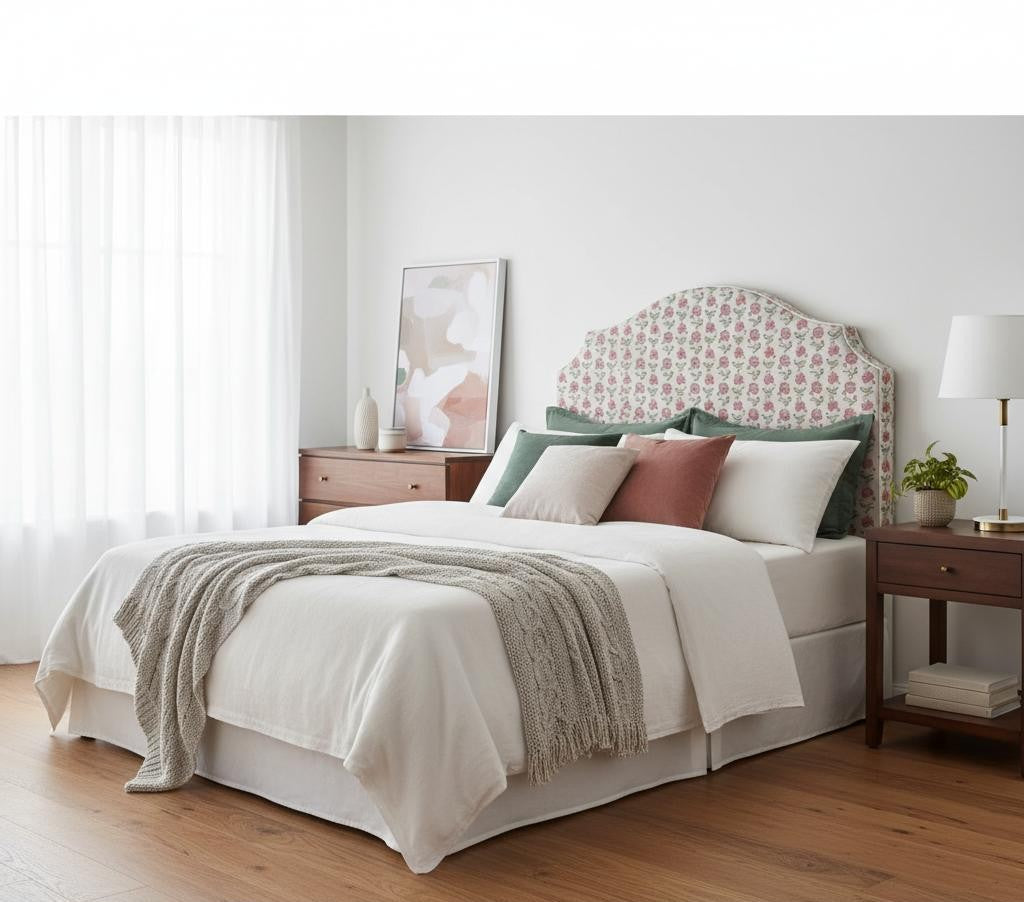
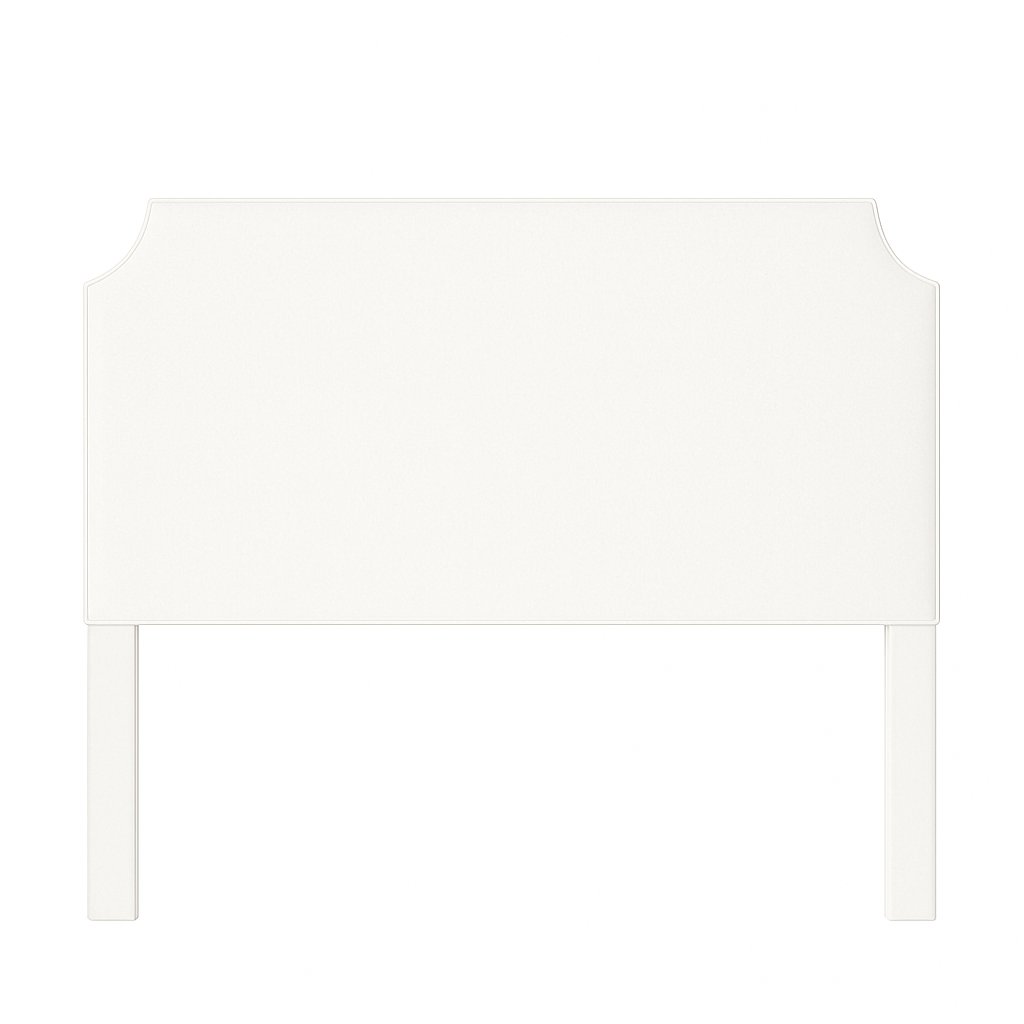
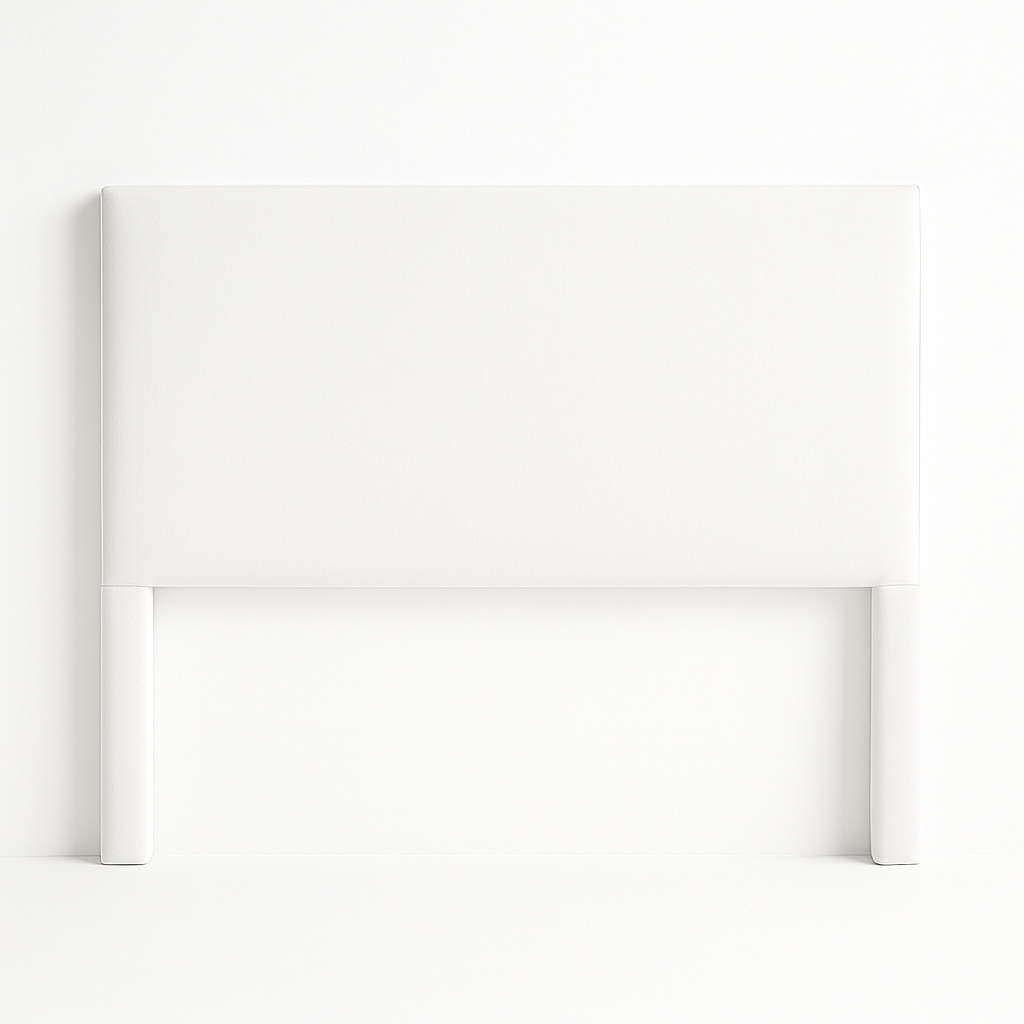
One of the most enduring headboard styles is the Upholstered Headboard. This style utilizes fabric – such as linen, velvet, or leather – stretched over a frame. Upholstered headboards offer a luxurious and comfortable feel, contributing to a soft and inviting ambiance. They come in various designs, from simple rectangular shapes to more elaborate tufted or button-down variations. The choice of fabric directly impacts the room's mood; lighter fabrics like linen lend themselves to a breezy, coastal vibe, while rich velvets create a more opulent feel. A practical example of this style is seen in many modern bedrooms aiming for a sophisticated and cozy feel.
Another prominent category is the Wooden Headboard. Wood headboards bring warmth and a natural element to the bedroom. They can range from rustic, reclaimed wood designs to sleek, modern finishes. Styles within this category include paneled headboards with traditional detailing, platform headboards offering a minimalist look, and intricately carved wooden headboards for a more ornate aesthetic. The type of wood also influences the style; oak and maple offer classic appeal, while darker woods like walnut can create a dramatic statement. Consider the existing furniture in the room when selecting a wooden headboard to ensure a harmonious blend.
Moving towards more contemporary options, the Metal Headboard has gained considerable popularity. Metal headboards offer a sleek and often industrial-chic aesthetic. Designs can range from minimalist ladder-style headboards to ornate, scrolling metalwork. Materials like iron, steel, and brass are commonly used, often finished with painted or brushed surfaces. Metal headboards pair well with various décor styles, including modern, industrial, and even bohemian designs. They are also known for their durability.
Tufted Headboards are a classic style that exudes elegance and sophistication. Characterized by fabric that is pushed in and secured with buttons, tufting creates a plush, cushioned surface and adds visual texture. This style is frequently seen in traditional and transitional bedroom designs, and can be found in various shapes and sizes, enhancing the overall luxurious feel of the room. The visual depth created by tufting can also help to make a smaller bedroom feel more spacious.
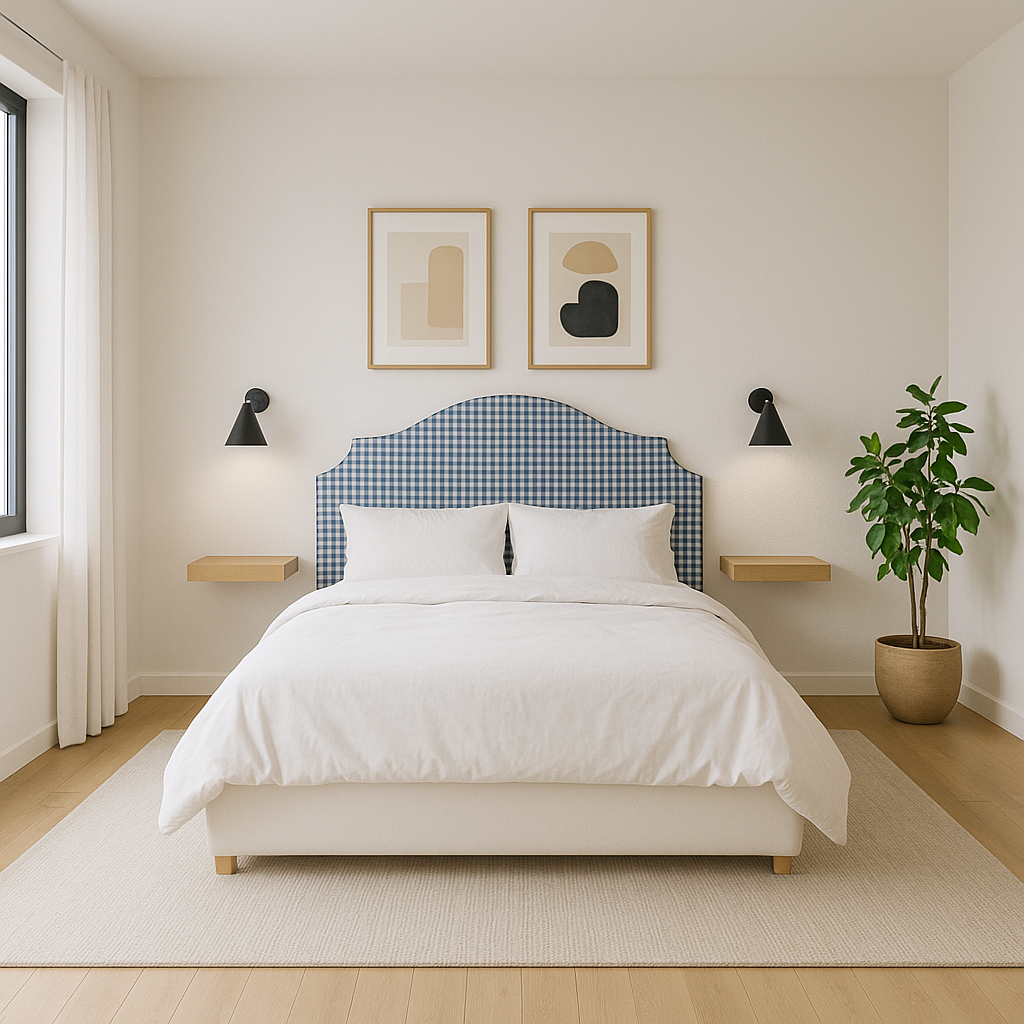
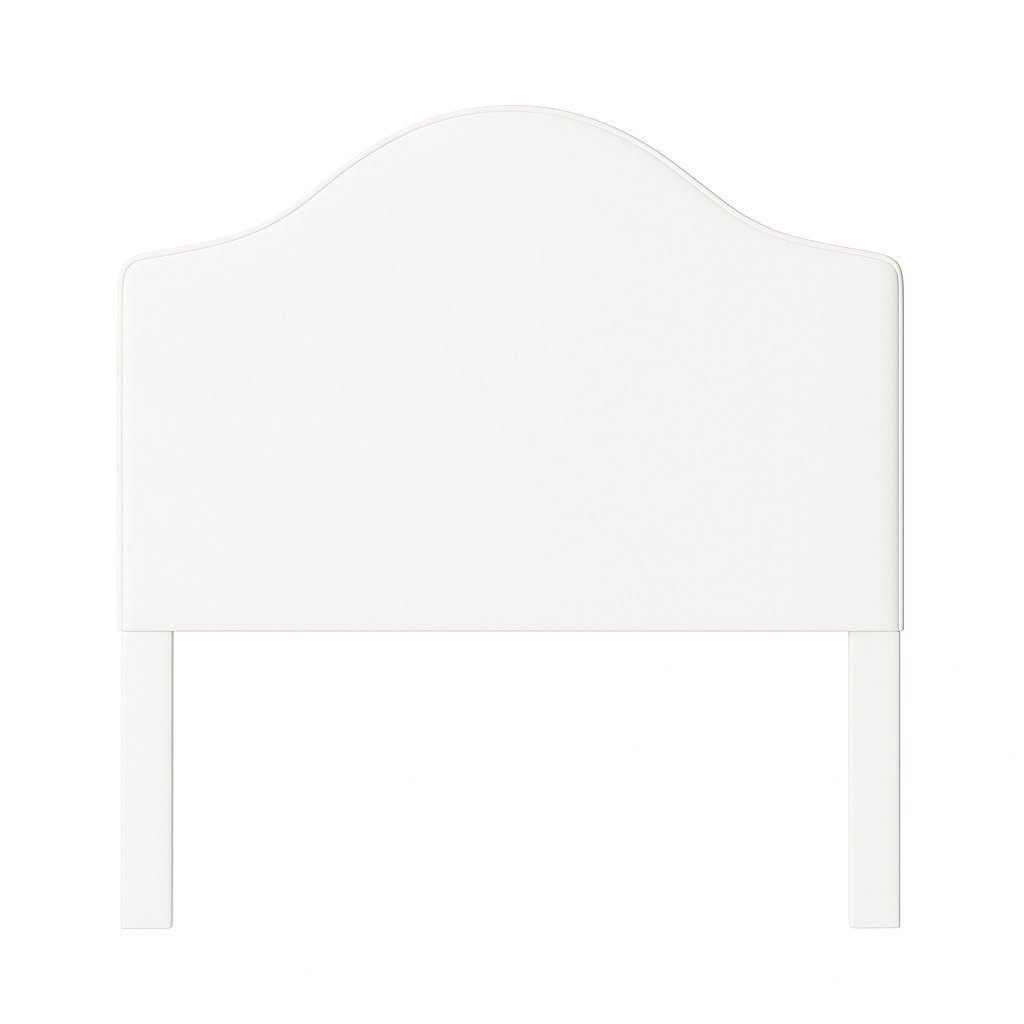
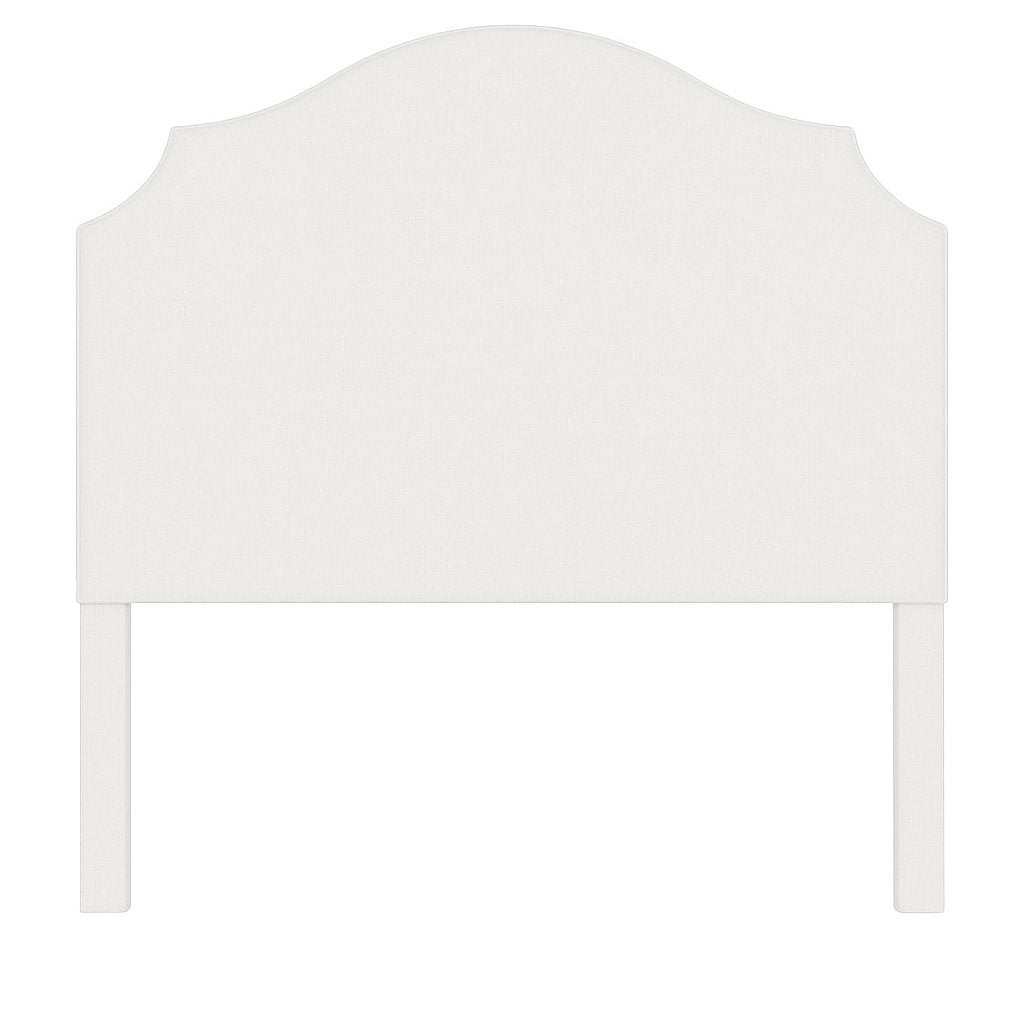
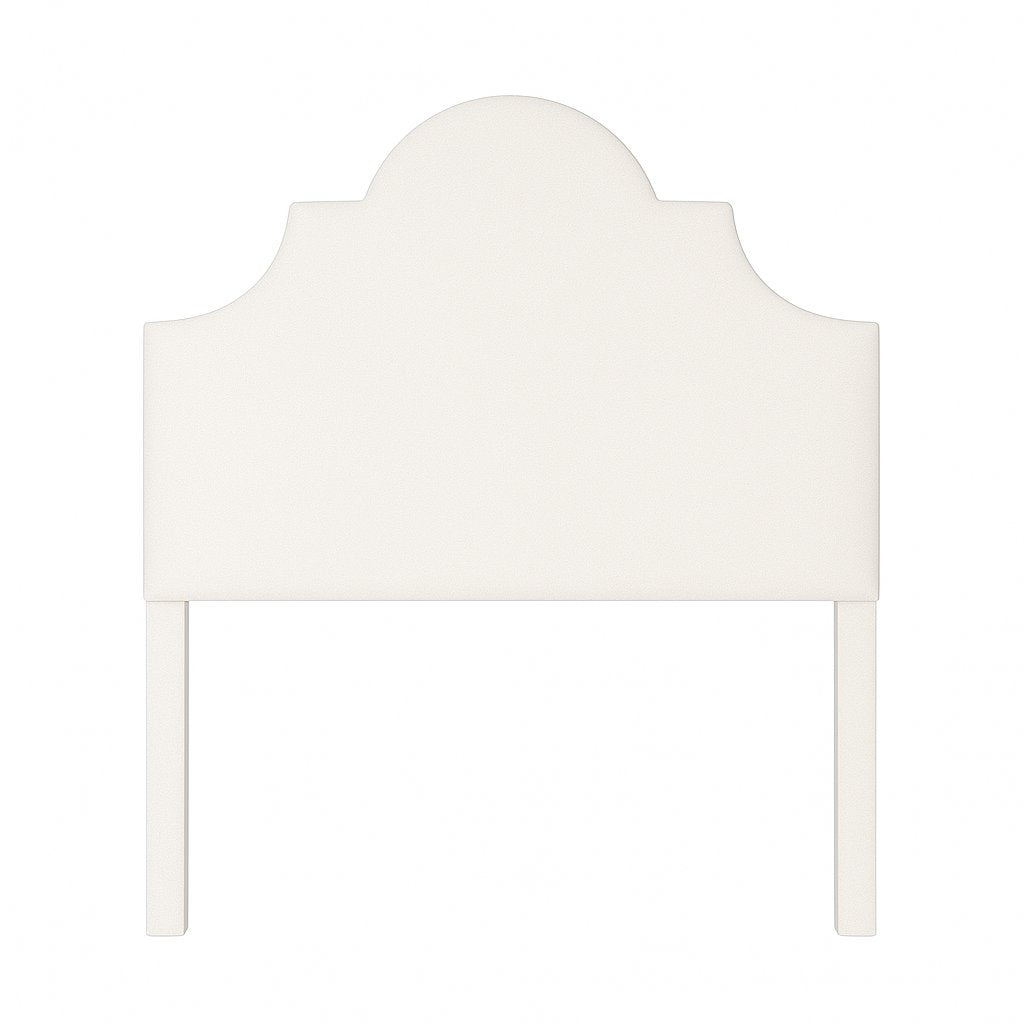
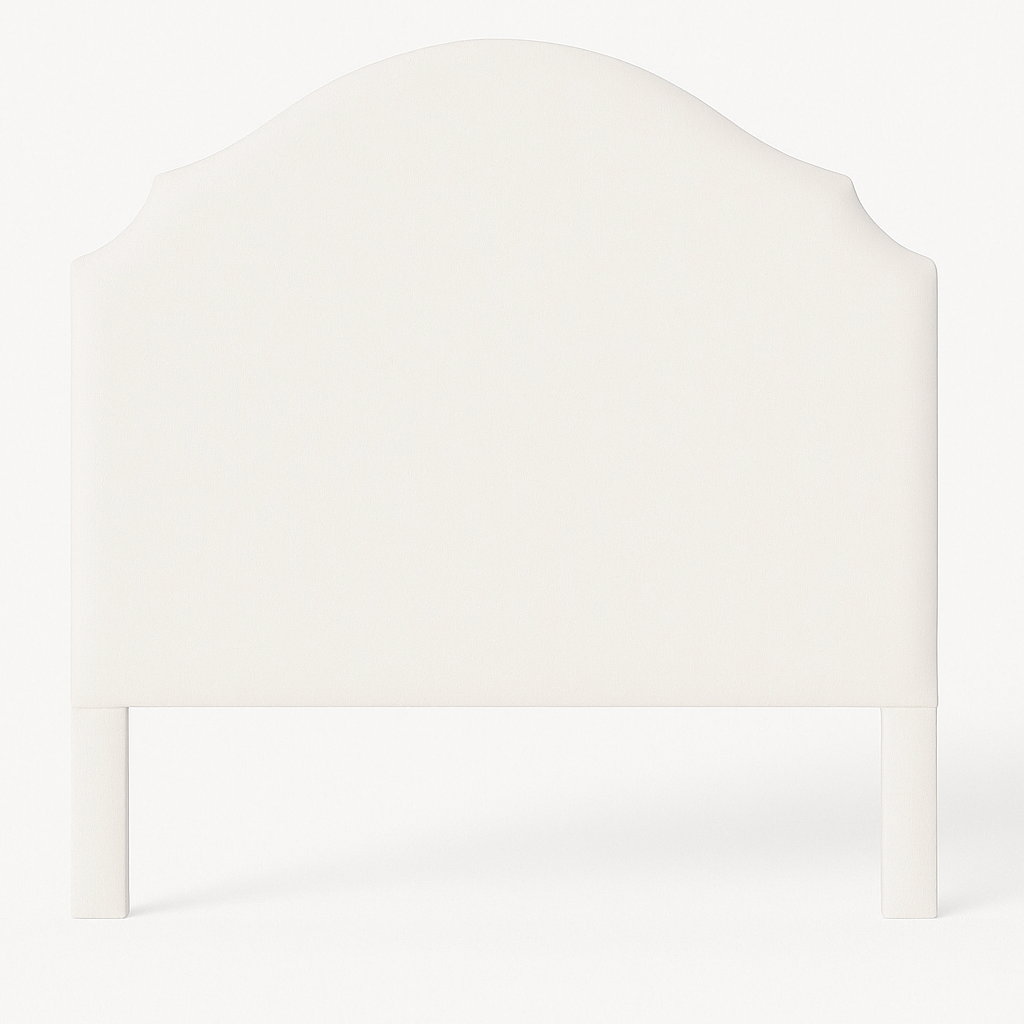
Beyond these core styles, several other options cater to specific tastes. Platform Headboards are characterized by a low-profile design that sits flush against the wall, emphasizing clean lines and a minimalist aesthetic. Arched Headboards introduce a touch of romance and elegance, often featuring curved tops that soften the look of the bed. Finally, Decorative Headboards encompass a wide range of unique designs, incorporating elements like intricate carvings, mosaic tiles, or even repurposed materials – offering a chance to showcase personal style and add a truly one-of-a-kind feature to the bedroom.
Selecting the right headboard involves considering several factors, including the bed frame style, the overall bedroom décor, and personal preferences. A well-chosen headboard not only enhances the visual appeal of the room but also contributes to its comfort and functionality. Understanding the nuances of each style allows individuals to make a confident choice that perfectly complements their bedroom's aesthetic and creates a relaxing retreat.
Decoding Headboard Materials: Choosing the Right Texture and Durability
The headboard is more than just a decorative element; it’s a foundational piece of bedroom furniture that significantly impacts both style and comfort. Selecting the right material involves considering not only aesthetics but also longevity and the overall feel of the space. Understanding the nuances of different headboard materials – from classic wood to contemporary upholstered options – empowers consumers to make informed choices that align with their personal preferences and practical needs.
Wood Headboards: Timeless Elegance and Strength
Wood headboards offer a sense of enduring sophistication and robust construction. Their natural beauty and versatility make them a popular choice across various design styles, from traditional to rustic and even modern minimalist. The type of wood used greatly influences the headboard's characteristics. Hardwoods like oak, maple, and walnut are known for their durability and rich grain patterns, often providing a substantial feel to the bed. Softer woods, such as pine or birch, are more affordable but may be less resistant to wear and tear.
Consider the finish applied to the wood. A clear finish highlights the natural wood grain, offering a warm and organic look. Paint allows for a wide range of color options, enabling seamless integration with existing bedroom decor. Stained finishes enhance the wood's depth and character. For instance, a reclaimed wood headboard can inject a unique, vintage charm into a room, telling a story through its weathered appearance. According to a recent study by Houzz, wood remains the most popular headboard material, attributed to its classic appeal and ability to complement various interior design aesthetics. This popularity suggests a consistent demand and a wide range of styles available.
Upholstered Headboards: Comfort and Texture
Upholstered headboards prioritize comfort and introduce tactile richness to the bedroom. They provide a soft backdrop for pillows and blankets, enhancing the overall cozy ambiance. A wide array of fabrics can be used, each offering distinct properties. Velvet exudes luxury and a plush feel, while linen offers a more relaxed, breathable texture. Leather headboards add a touch of sophistication and durability, often developing a desirable patina over time. Synthetic fabrics, such as microfiber, provide a cost-effective and easy-to-maintain option.
The construction of an upholstered headboard is also important. Options range from simple padded panels to intricately tufted designs. Tufting adds visual interest and a sense of formality. Channel tufting, for instance (where fabric is gathered into parallel grooves), is a popular choice for a contemporary look. When selecting an upholstered headboard, consider factors like fabric durability, stain resistance (especially crucial for high-traffic areas), and ease of cleaning. Choosing a fabric with a tight weave can enhance longevity and resist snagging. Many manufacturers now offer headboards with removable and washable covers for added convenience.
Metal Headboards: Modern and Industrial Aesthetics
Metal headboards offer a sleek, contemporary, or industrial vibe. They are often crafted from materials like iron, steel, or aluminum. Iron headboards, particularly those with intricate designs, evoke a vintage or Victorian feel. Steel headboards tend to have a more modern and minimalist appearance, often featuring clean lines and geometric shapes. Aluminum headboards are lightweight and rust-resistant, making them a practical choice for coastal or outdoor-inspired bedrooms.
Metal headboards can be powder-coated in various colors, offering design flexibility. They are generally durable and require minimal maintenance. However, metal can sometimes feel cold to the touch, so consider incorporating soft textiles like throws and cushions to add warmth and comfort. A well-designed metal headboard can serve as a striking focal point in a room.
Other Materials: Exploring Unique Options
Beyond wood, upholstery, and metal, other materials offer unique headboard styles. Rattan and wicker headboards bring a bohemian or tropical feel, adding natural texture to the space. Fabric-covered foam headboards provide a budget-friendly upholstered option. Even repurposed materials, like reclaimed barn wood or vintage doors, can create one-of-a-kind headboards with a strong sense of character. The choice of material often reflects the homeowner's personal style and the overall aesthetic they wish to achieve in their bedroom.
Considering both texture and durability ensures a headboard that not only enhances the visual appeal of the bedroom but also stands the test of time. Evaluating individual needs and preferences regarding style, comfort, and maintenance will lead to a satisfying and long-lasting investment in bedroom decor.
Exploring Headboard Shapes: From Classic to Contemporary Designs
The headboard is more than just a functional element in a bedroom; it’s a key design component that significantly influences the overall aesthetic and feel of the space. Over the years, headboard styles have undergone considerable evolution, reflecting shifting tastes and design trends. Today, a diverse array of shapes is available, catering to everything from traditional elegance to modern minimalism. Understanding these options allows individuals to curate a bedroom that perfectly aligns with their personal style and enhances the room’s ambiance.
Classic headboard shapes often evoke a sense of timeless sophistication. Arched headboards, for instance, have been a popular choice for centuries, lending a touch of grandeur and romance to a bedroom. These designs frequently feature curved tops, sometimes adorned with intricate carvings or upholstered in luxurious fabrics. A well-placed arched headboard can create a focal point, drawing the eye upwards and adding visual interest. Think of a stately bedroom with a dark wood arched headboard – a design element frequently seen in traditional and transitional interiors. The use of rich materials like velvet or damask further enhances the classic appeal.
In contrast to the flowing lines of the arched headboard, rectangular headboards represent a more straightforward and versatile option. They are a staple in many bedroom styles, from traditional to contemporary, and offer a clean, uncluttered look. Rectangular headboards can be simple panels, or they can incorporate detailing like tufting, nailhead trim, or channel stitching. Their adaptability allows them to seamlessly integrate with various bedding and decor choices. Many modern bedroom designs favor this shape for its ability to complement a wide range of furniture and color palettes.
The rise of contemporary design has introduced a more diverse and often sculptural range of headboard shapes. Upholstered headboards have surged in popularity, offering both comfort and style. These can take on various forms, including rounded, geometric, or even wave-like shapes. The upholstery material – whether linen, velvet, or leather – plays a crucial role in defining the headboard’s personality. A low-profile, channel-tufted upholstered headboard aligns perfectly with minimalist aesthetics, while a boldly shaped velvet headboard can inject a touch of glamour.
Beyond these core shapes, more unique options are gaining traction. Wingback headboards, reminiscent of classic armchairs, offer a sense of coziness and enclosure. They create a defined sleeping zone and can be particularly effective in larger bedrooms. Floating headboards, mounted directly to the wall, create a sleek, modern look and can make a smaller room feel more spacious. These designs often lack a traditional frame, emphasizing a minimalist aesthetic.
When considering headboard shapes, it's important to consider the overall scale of the bed and the room. A large, ornate headboard might overwhelm a small bed or a compact room. Conversely, a simple headboard might get lost on a larger bed. Furthermore, the headboard's shape should complement the bedroom's existing furniture and design style. A modern bedroom with clean lines might benefit from a geometric or upholstered headboard, while a more traditional space might be better suited to an arched or carved wooden design. The choice ultimately boils down to personal preference and the desired atmosphere.
The Impact of Headboard Size: Finding the Perfect Fit for Your Bedroom
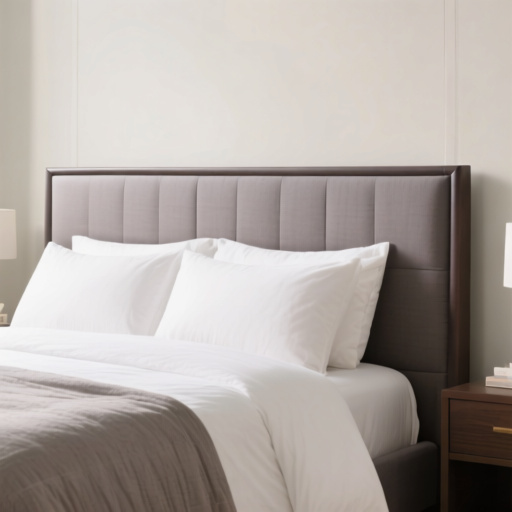
The headboard serves as a focal point in any bedroom. Often the largest single decorative element above the bed, its size significantly impacts the room's overall aesthetic and functionality. Selecting the right headboard dimensions is crucial for achieving a balanced and harmonious space. Several factors contribute to determining the ideal headboard size, ranging from the bed frame dimensions to the room's scale and intended style.
One of the primary considerations is the size of the bed itself. Standard twin, full, queen, and king beds each have corresponding headboard sizes that typically complement them. A twin bed typically pairs well with a headboard measuring around 36-48 inches wide. Full-size beds usually accommodate headboards between 48-60 inches. Queen-size beds commonly utilize headboards ranging from 60-72 inches, while king-size beds often require wider headboards, often 72 inches or more, to provide adequate visual balance.
Beyond bed size, the proportions of the bedroom play a vital role. In smaller bedrooms, a generously sized headboard can overwhelm the space, making it feel cramped. Opting for a scaled-down headboard or even a simpler design can help maintain a sense of openness. Conversely, larger bedrooms can often handle more substantial headboards, allowing them to command attention as a statement piece. Visual balance is key; a headboard that feels out of proportion with the bed or the room will disrupt the overall design.
The style of the headboard also influences the ideal size. For example, a minimalist or contemporary bedroom might benefit from a sleek, low-profile headboard that doesn't visually dominate. In contrast, a more traditional or luxurious setting might call for a taller, more ornate headboard that makes a grand statement. Consider the overall aesthetic you're aiming for. A tall, upholstered headboard can add a sense of grandeur and warmth, while a shorter, wooden headboard might contribute to a more casual and airy atmosphere.
Furthermore, the height of the bed frame is a practical consideration. A taller bed frame might naturally lend itself to a taller headboard, creating a cohesive and visually pleasing look. However, it's important to ensure that the headboard doesn't extend so high that it feels awkward or obstructs the view. Aim for a headboard height that is proportionate to the bed frame without overwhelming the room's vertical space.
Practicality also comes into play. Consider the intended use of the headboard. If you plan to lean against it while reading or watching television, a wider headboard will provide more comfortable support. If the headboard is primarily decorative, a more streamlined design might suffice.
Different Headboard Styles and Size Considerations
The variety of headboard styles available means that the "perfect fit" can vary significantly. Here’s a look at some popular options and their typical size considerations:
- Upholstered Headboards: These often come in a range of widths, with queen and king sizes typically requiring headboards of 60-72 inches or wider. The depth of the upholstery can also influence the overall visual weight.
- Wooden Headboards: Wooden headboards are versatile and available in various widths and heights. Simpler wooden designs might be available in standard widths, while more elaborate carvings might require a wider span.
- Metal Headboards: Metal headboards can range from sleek and minimalist to ornate and decorative. Size considerations depend on the specific design; wider metal headboards are common for queen and king beds.
- Tufted Headboards: Tufting adds a touch of elegance and can create a sense of depth. These often require a slightly larger headboard to accommodate the tufting details.
- Platform Headboards: These low-profile headboards are popular in modern designs and typically match the width of the bed frame.
Choosing the right headboard size involves careful consideration of several elements. By taking into account the bed dimensions, room scale, desired style, and practical needs, individuals can select a headboard that enhances the beauty and functionality of their bedroom. A well-chosen headboard isn't just an accessory; it's a fundamental element that contributes significantly to the overall ambiance of the sleeping space.
Practical Tips for Choosing the Right Size
Finding the perfect headboard size doesn’t have to be daunting. Here are a few practical tips to guide the selection process:
- Measure Your Bed: Always start by accurately measuring the width of your bed frame. This provides a baseline for selecting a compatible headboard size.
- Consider Room Dimensions: Assess the size of your bedroom. In smaller rooms, opt for a proportionally sized headboard to avoid overwhelming the space.
- Visualize Scale: Use painter's tape to mark out the potential headboard dimensions on the floor to get a sense of its visual impact.
- Factor in Depth: Consider the depth of the headboard. A deeper headboard will visually occupy more space.
- Prioritize Proportion: Aim for a headboard that is in balance with the overall proportions of the bed and the room.
Referenced materials: ✅ W3Techs data from October 2024, WordPress powers 43.4% of websites. ✅ Studies from Backlinko in 2023 show that pages with 1,500+ words rank higher.
Headboard Designs for Small Bedrooms: Maximizing Space and Style
For homeowners with limited bedroom square footage, the headboard presents a significant design decision. It's a focal point that shouldn't overwhelm the space. Smart headboard choices can enhance style without sacrificing valuable floor area or creating a cramped feel. This section explores various headboard designs specifically tailored for small bedrooms, focusing on how to maximize both space and aesthetic appeal.
One effective strategy is to opt for floating headboards. These designs attach directly to the wall, eliminating the need for bulky legs or a substantial frame that occupies floor space. This creates a visually lighter feel, making the room appear larger. A simple upholstered panel or a sleek wooden board mounted horizontally can achieve this look. Consider incorporating built-in shelves above the floating headboard for added storage, a practical solution for small spaces.
Another space-saving option involves low-profile headboards. These headboards extend minimally beyond the bed frame, preventing them from dominating the room. Metal frames with thin upholstered panels or designs that follow a minimalist aesthetic work well. The key is to prioritize clean lines and avoid overly ornate details. This approach allows for a sense of spaciousness while still providing visual interest.
If floor space is at a premium, a headboard that integrates with the wall decor can be a clever solution. This could involve painting a decorative design directly onto the wall behind the bed, creating the illusion of a headboard. Alternatively, a strategically placed gallery wall or a large piece of artwork can serve a similar purpose. This approach avoids adding any physical bulk to the room. The visual impact can be just as strong as a traditional headboard.
Beyond space considerations, the style of the headboard plays a vital role. Vertical stripes are a popular choice for small bedrooms as they visually elongate the walls, making the ceiling appear higher. Upholstered headboards in light colors, like cream or pale gray, also contribute to a brighter and more open atmosphere. Darker colors can feel visually heavy in a small space.
Consider the overall aesthetic of the room when making your selection. A minimalist bedroom might benefit from a simple, streamlined headboard, while a more eclectic space can accommodate a bolder, more decorative option. Don't underestimate the power of texture – linen, velvet, or even woven materials can add depth and interest without taking up much visual space.
Many modern designs emphasize functionality. Headboards with built-in lighting, such as integrated LED strips or bedside reading lights, are excellent for small bedrooms where space is limited. Storage solutions cleverly incorporated into the headboard design, like small shelves or compartments, can help declutter the room and keep essentials within easy reach.
A study by the National Association of Interior Architects & Designers (NAID) found that incorporating built-in storage solutions, including those integrated into headboards, can increase usable space in bedrooms by up to 20%.
Finally, DIY headboard options can be a budget-friendly and personalized way to enhance a small bedroom. A simple wooden frame with an upholstered panel, or even a repurposed piece of fabric stretched over a wooden board, can create a unique and stylish headboard without breaking the bank.
Integrating Headboards with Bedroom Decor: Complementary Colors & Patterns
The headboard is often the focal point of a bedroom, acting as a visual anchor that sets the tone for the entire space. Choosing the right headboard isn't just about comfort; it’s a key element of bedroom decor that significantly impacts the overall aesthetic. Integrating the headboard seamlessly with the existing color palette and patterns in the room is crucial for a cohesive and stylish look. This section explores how to achieve this, offering guidance on complementary colors and patterns to enhance your bedroom’s design.
Complementary Colors for Headboards
Color plays a vital role in creating the desired mood and atmosphere in a bedroom. Pairing the headboard with complementary colors can elevate the decor and create visual interest. Complementary colors are pairs of colors that sit opposite each other on the color wheel, creating a vibrant contrast when placed together.
Consider these popular color pairings for headboards:
- Blue & Orange: This dynamic combination offers a cheerful and energetic feel. A navy blue headboard paired with burnt orange accents in bedding and throws creates a sophisticated yet inviting space.
- Green & Red: For a bolder statement, try a deep forest green headboard with touches of red in pillows or artwork. This pairing can evoke a sense of warmth and luxury.
- Purple & Yellow: This unexpected pairing can feel both regal and playful. A lavender headboard complemented by sunny yellow bedding can add a touch of whimsy to the room.
- Pink & Teal: This combination offers a refreshing and modern aesthetic. A blush pink headboard can be beautifully paired with teal accents, creating a calming and stylish sanctuary.
Beyond these classic pairings, consider the undertones of each color. For instance, a warm-toned beige headboard can pair well with cool-toned blues and greens, creating a balanced and harmonious look. The intensity of the colors also matters. Soft pastels offer a gentle contrast, while bolder hues create a more dramatic effect.
Harmonizing Patterns with Headboards
Patterns can add depth and personality to a bedroom, but mixing too many can feel overwhelming. When integrating a headboard with patterns, the key is to choose patterns that complement each other without clashing.
Here are some strategies for harmonizing patterns:
- Scale: Varying the scale of patterns is a good way to create visual interest. Pair a large-scale floral headboard with smaller-scale geometric patterns in the bedding and curtains.
- Color Connection: Ensure that the colors in different patterns relate to each other. For example, if your headboard features a blue and white stripe, incorporate shades of blue and white in other elements of the room.
- Pattern Types: Combine different types of patterns thoughtfully. For instance, a textured headboard can be paired with a subtly patterned duvet cover, preventing the space from feeling too busy.
- Solid Grounding: Incorporate solid colors to provide visual breaks and prevent the patterns from competing. A solid-colored bed skirt or curtains can help ground the space.
A freelance interior designer, Sarah Chen, notes, "When incorporating patterns, remember the 60-30-10 rule. This suggests allocating 60% of the room to a dominant color or pattern, 30% to a secondary element, and 10% to an accent. This helps create balance and prevent visual overload."
For example, a headboard with a subtle damask pattern could be paired with bedding featuring a bolder floral print and solid-colored throw pillows. The damask acts as a sophisticated backdrop, while the floral print adds vibrancy, and the solid pillows provide a restful visual pause.
Practical Tips for Integration
Choosing the right color and pattern for your headboard doesn't have to be daunting. Here are a few practical tips to guide you:
- Start with a Palette: Begin by selecting a primary color scheme for your bedroom. This will serve as the foundation for your headboard and other decor choices.
- Consider Existing Elements: Take into account the colors and patterns of your existing furniture, flooring, and artwork. Choose a headboard that complements these elements.
- Use Mood Boards: Create a mood board with images of headboards, bedding, and accessories to visualize how different combinations will look together.
- Test Samples: Before making a final decision, consider ordering fabric or paint samples to see how the colors and patterns work in your space.
- Don't Be Afraid to Experiment: While it’s good to have a cohesive look, don't shy away from incorporating personal style. A well-chosen headboard can be a fantastic way to express individuality.
DIY Headboard Ideas: Creative and Budget-Friendly Options
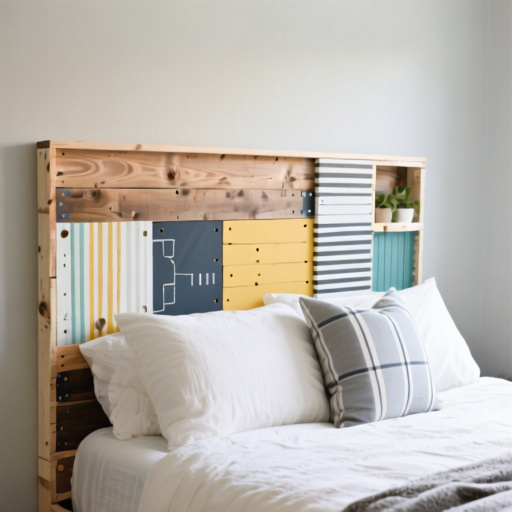
Transforming a bedroom often begins with the focal point: the headboard. Instead of shelling out a fortune for a custom-made or store-bought piece, homeowners can unleash their creativity and save money with a wealth of DIY headboard ideas. These options cater to various styles and skill levels, allowing for personalized touches that elevate the entire space. From rustic charm to modern elegance, the possibilities are virtually endless. Here are several concepts ranging from simple updates to more involved projects.
One of the most straightforward DIY headboard ideas involves repurposing existing materials. An old door, for instance, can become a surprisingly stylish headboard. Thorough cleaning and sanding are essential steps, followed by painting, staining, or distressing to achieve the desired aesthetic. Consider incorporating vintage hardware for added character. The door’s inherent texture and unique imperfections create a one-of-a-kind statement piece. This approach not only saves money but also reduces waste, aligning with sustainable decorating practices.
Another popular budget-friendly choice utilizes reclaimed wood. Sourcing discarded lumber from demolition sites or local salvage yards offers an eco-conscious and cost-effective solution. Arrange the wood planks in a variety of patterns – horizontal, vertical, or even a more abstract design – and secure them to a sturdy backing. The natural variations in wood grain add warmth and visual interest. Ensure all wood is properly treated and finished for durability and longevity. Consider the style of your room when choosing the wood type and finish.
For those with a knack for textiles, fabric headboards present an accessible DIY project. A simple wooden frame provides the structure, and then fabric is stretched and stapled tautly around it. The fabric choice significantly impacts the headboard’s overall look. Luxurious velvet adds a touch of opulence, while linen offers a relaxed, bohemian vibe. Patterned fabrics can inject personality and complement existing bedding. Ensure the fabric is securely fastened to prevent sagging or wrinkles. A quilted fabric headboard adds texture and visual depth.
Beyond these fundamental options, more elaborate DIY headboard projects can introduce unique elements. Consider a mosaic headboard created with tiles, shells, or even painted stones. This design offers a visually striking focal point and allows for significant personalization. Alternatively, a headboard constructed from interwoven macrame or rope adds a bohemian or coastal feel. These projects require more time and skill but yield truly distinctive results. Remember to prioritize safety when working with tools and adhesives.
Before embarking on any DIY headboard adventure, consider the size of the bed and the overall dimensions of the bedroom. A headboard that is too large can overwhelm the space, while one that is too small will appear disproportionate. Measure carefully and sketch out the design to ensure a perfect fit. Also, think about the mounting method. Headboards can be attached directly to the wall, secured to a bed frame, or even freestanding. Choosing the right mounting method is crucial for stability and safety.
Finally, don’t underestimate the power of painting or adding decorative elements to a plain headboard. A fresh coat of paint in a bold color or aPinterest-inspired design can instantly transform a basic headboard into a stylish statement. Adding nailhead trim, decorative molding, or even string lights can further personalize the piece. These simple additions require minimal investment but can significantly enhance the headboard’s aesthetic appeal.
Mixing and Matching Headboard Styles: Achieving a Unique Bedroom Look
The headboard is often considered the focal point of a bedroom. While many homeowners focus on purchasing a single, cohesive headboard, a more daring and increasingly popular trend involves mixing and matching styles. This approach allows for a highly personalized and unique bedroom aesthetic, moving away from matching sets and embracing individuality. The beauty of this strategy lies in its flexibility, enabling homeowners to curate a look that reflects their personal taste and complements their existing furniture and decor.
One effective method for mixing headboard styles is to combine materials. A rustic wooden headboard paired with upholstered panels on either side can create a warm and inviting atmosphere. The contrast in texture adds visual interest and prevents the bed from looking monotonous. For example, a homeowner might select a reclaimed wood headboard for a farmhouse feel and then incorporate velvet or linen upholstery on flanking sections to introduce a touch of luxury. This approach caters to a variety of design preferences and can easily adapt to different bedroom themes.
Consider incorporating different shapes and silhouettes. A sleek, modern metal headboard can be juxtaposed with a more traditional carved wooden panel. This unexpected combination can create a sophisticated and visually dynamic focal point. The key is to ensure that the different elements share a common color palette or stylistic thread to maintain a sense of cohesion. For instance, a black metal headboard might be paired with a dark-toned wooden panel, tying the overall look together. This strategy allows for a playful yet intentional approach to design.
Another way to mix headboard styles is through layering. This involves placing smaller decorative headboards or panels in front of a larger, simpler headboard. This technique adds depth and dimension to the bed area. A small, intricately patterned upholstered panel can be positioned in front of a plain wooden headboard, adding a pop of visual interest without overwhelming the space. This approach is particularly effective for adding personality to a more minimalist bed frame.
When embarking on a mixed headboard design, consider the overall style of the room. The headboard should complement, not clash with, the existing decor. If the bedroom has a predominantly modern aesthetic, opt for a combination of sleek metal or geometric designs with a single upholstered panel in a muted color. Conversely, in a more traditional bedroom, a mix of carved wood and fabric panels can enhance the classic feel.
Budget considerations also play a significant role in this trend. Mixing and matching can be a more cost-effective way to achieve a unique look compared to purchasing a single, high-end headboard. Individual pieces can be sourced from different retailers or even repurposed, allowing for creative and budget-conscious design solutions. This approach opens up opportunities for finding unique vintage or antique pieces that can add character to the bedroom.
Ultimately, mixing and matching headboard styles is about expressing personal creativity and crafting a bedroom that feels truly individual. It encourages a departure from conventional matching sets and embraces the beauty of eclectic design. By thoughtfully combining different materials, shapes, and textures, homeowners can create a captivating focal point that elevates the entire room's aesthetic.
Maintaining Your Headboard: Cleaning and Care Tips for Long-Lasting Beauty
A well-chosen headboard is a significant element of bedroom decor, often setting the tone for the entire space. To ensure it remains a beautiful feature for years to come, consistent cleaning and proper care are essential. The best approach depends largely on the headboard’s material. Understanding the specific needs of your headboard will contribute to its longevity and visual appeal.
For upholstered headboards, regular vacuuming is a crucial first step. Use the upholstery attachment to remove dust, pet hair, and other loose particles. A gentle brush motion helps to dislodge embedded debris. To address minor stains, spot clean with a mild detergent and water solution. Always test the solution in an inconspicuous area first to ensure it doesn't affect the fabric’s color or texture. Avoid harsh scrubbing, which can damage the upholstery fibers. For more stubborn stains, consider consulting a professional upholstery cleaner.
Wooden headboards benefit from periodic dusting with a soft, dry cloth. Avoid using abrasive cleaners or excessive moisture, as these can harm the finish. For a deeper clean, a slightly damp cloth can be used, followed by immediate drying with a clean cloth. Polishing the wood occasionally with a wood-specific polish can restore its luster and protect it from wear and tear. The type of finish on the wood (e.g., lacquer, varnish, oil) will influence the appropriate cleaning products. Researching the specific finish is a good preventative measure.
Metal headboards generally require minimal maintenance. Wipe them down regularly with a damp cloth to remove dust and fingerprints. For stubborn marks, a metal cleaner formulated for the specific metal type (e.g., chrome, iron) can be used. Avoid abrasive cleaners that could scratch the surface. Rust prevention is important for iron headboards; consider applying a protective coating if necessary.
Wicker or rattan headboards demand a gentler approach. Dust regularly with a soft brush or cloth. Avoid getting them excessively wet, as moisture can damage the natural fibers and lead to warping or mildew growth. If cleaning is necessary, use a slightly damp cloth and dry thoroughly. A light coating of furniture polish designed for natural fibers can help protect the wicker.
Leather headboards require specialized care to maintain their suppleness and prevent cracking. Dust regularly with a soft, dry cloth. Use a leather cleaner and conditioner specifically formulated for furniture to nourish the leather and prevent it from drying out. Avoid using harsh chemicals or excessive heat, which can damage the leather. Regular conditioning, typically every six months, is recommended.
Protecting your headboard from direct sunlight is another key factor in maintaining its beauty. Prolonged exposure to UV rays can cause fading and discoloration, particularly in upholstered or fabric headboards. Consider the headboard’s placement in the room and use curtains or blinds to mitigate sun exposure.
Considering your headboard's material and following these cleaning and care tips will significantly contribute to its longevity and ensure it continues to enhance your bedroom décor for years to come.
Frequently Asked Questions
- What are some popular headboard styles? Popular headboard styles include upholstered, wooden, metal, and tufted headboards, each offering a distinct aesthetic and feel.
- How do different materials affect the headboard's style? Materials like linen create a breezy feel, velvet adds opulence, wood brings warmth, and metal offers a sleek, industrial vibe.
- What should I consider when choosing a headboard for my bedroom? Think about your desired bedroom aesthetic, existing furniture, and the overall mood you want to create. The headboard should complement your style and create a cohesive look.