
Blog
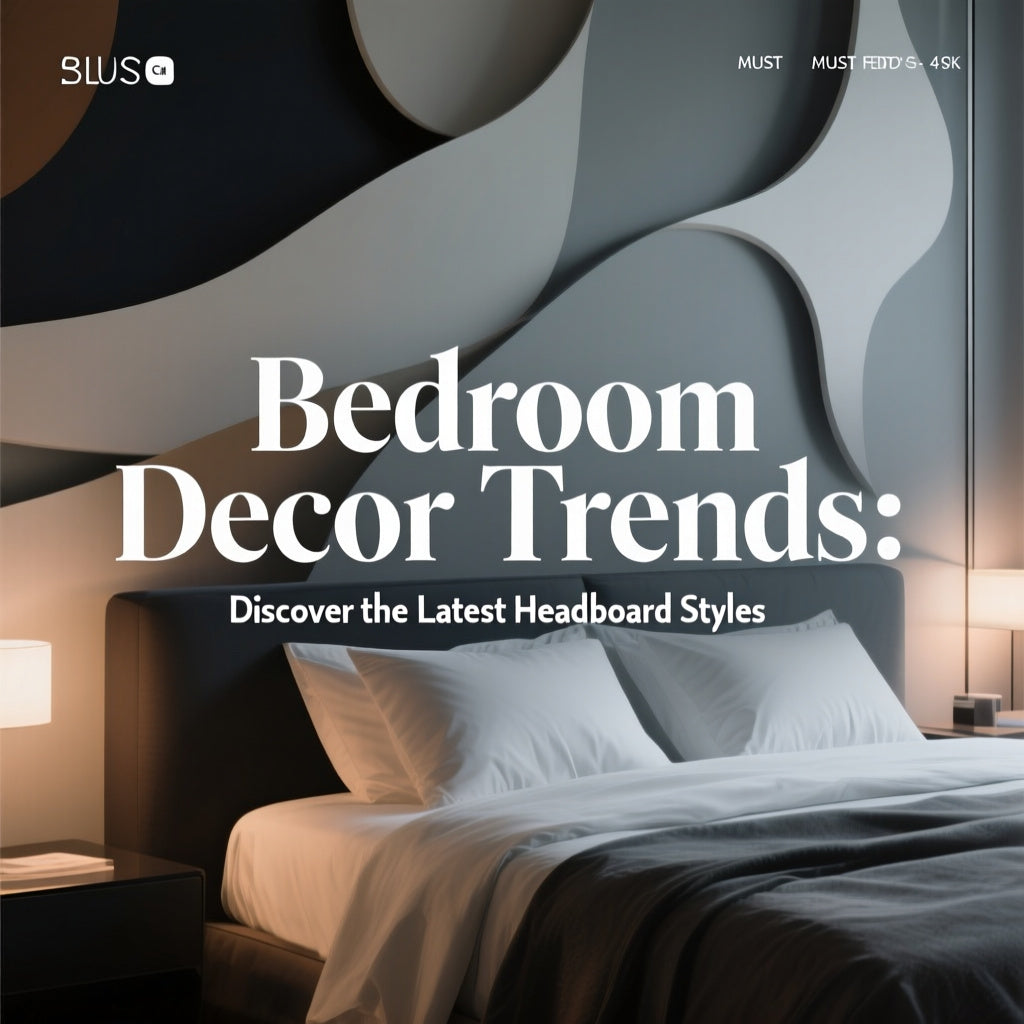

Selecting Fabric for a Headboard: The Ultimate Guide
Understanding Headboard Materials: A Comprehensive Overview Wood Headboards Upholstered Headboards Metal Headboards Leather Headboards Other Materials Exploring the Top Fabric Choices for Headboards: Style & Durability Decoding Fabric Weaves: How They Impact Headboard Appearance and Feel Considering Fabric Properties: Stain Resistance, Care, & Longevity Matching Headboard Fabric to Your Bedroom Decor Style Understanding Decor Styles and Fabric Pairings Fabric Properties to Consider Exploring Specific Fabric Options Making the Right Choice Budgeting for Headboard Fabrics: Cost Considerations & Value DIY Headboard Upholstery vs. Professional Installation: Pros & Cons DIY Headboard Upholstery: Exploring the Advantages Professional Headboard Installation: The Benefits of Expertise Weighing the Options: A Practical Comparison Maintaining Your Headboard Fabric: Cleaning & Care Tips Understanding Fabric Types and Their Care Regular Cleaning: Prevention is Key Deeper Cleaning Methods Protecting Your Headboard Sustainable Fabric Options for Eco-Conscious Headboards Frequently Asked Questions Understanding Headboard Materials: A Comprehensive Overview Choosing a headboard is more than just an aesthetic decision; it significantly impacts the overall look and feel of a bedroom. A crucial element in this selection process is understanding the diverse materials available. Each option offers unique characteristics regarding durability, style, comfort, and cost. This section provides an in-depth look at the most popular headboard materials, outlining their pros and cons to help individuals make an informed choice. Wood Headboards Wood remains a timeless and highly popular choice for headboards. Its inherent strength and versatility allow for a wide range of styles, from rustic and farmhouse to modern and sophisticated. Different types of wood offer distinct qualities. Hardwoods like oak, maple, and walnut are known for their durability and longevity, often becoming heirloom pieces. Softwoods such as pine and cedar are generally more affordable and lighter in weight. Pros of Wood Headboards: Durability: Hardwoods can withstand years of use. Style Versatility: Suitable for various décor styles. Natural Beauty: Offers a warm and organic aesthetic. Relatively Easy to Repair: Minor damage can often be fixed. Cons of Wood Headboards: Cost: Hardwood options can be expensive. Weight: Can be heavy and difficult to move. Susceptibility to Moisture: May warp or crack in humid environments. Upholstered Headboards Upholstered headboards offer a luxurious and comfortable touch to a bedroom. These headboards feature fabric stretched over a supportive frame, providing a soft surface to lean against. A variety of fabrics are available, each contributing to a different look and feel. Linen offers a relaxed, natural vibe, velvet exudes elegance and opulence, while leather provides a sleek and contemporary feel. The padding and filling used in upholstered headboards also impact comfort and appearance. Pros of Upholstered Headboards: Comfort: Provides a soft and inviting surface. Style Flexibility: Available in numerous fabrics and colors. Sound Absorption: Helps to reduce noise in the bedroom. Can Enhance Bedroom Aesthetics: Adds a touch of sophistication. Cons of Upholstered Headboards: Maintenance: Requires regular cleaning and care. Potential for Wear and Tear: Fabric can stain or show wear over time. Cost: Can range from moderately priced to very expensive depending on the fabric and design. Metal Headboards Metal headboards bring a modern, industrial, or glamorous touch to a bedroom. They are often crafted from materials like iron, steel, or aluminum. Metal headboards can feature intricate designs, clean lines, or a minimalist aesthetic. They are known for their durability and can be powder-coated in various finishes, including matte black, brushed nickel, and gold. Pros of Metal Headboards: Durability: Robust and long-lasting. Modern Aesthetic: Adds a contemporary feel. Variety of Designs: Available in diverse styles. Relatively Low Maintenance: Easy to clean. Cons of Metal Headboards: Can Feel Cold: May not be as warm as wood or fabric. Potential for Noise: Can make noise if bumped. Weight: Some metal headboards can be quite heavy. Leather Headboards Leather headboards exude a sense of luxury, sophistication, and durability. Genuine leather offers a rich and timeless appeal. They are often found in classic and contemporary designs. Leather is a resilient material that develops a beautiful patina over time. Pros of Leather Headboards: Luxury Aesthetic: Adds a touch of elegance. Durability: Very long-lasting material. Develops Patina: Becomes more attractive with age. Easy to Clean: Generally simple to maintain. Cons of Leather Headboards: Cost: Typically more expensive than other materials. Maintenance: Requires occasional conditioning. Susceptible to Scratches: Can be scratched or marked. Other Materials Beyond the most common options, other materials are sometimes used for headboards. These include rattan for a bohemian or coastal vibe, and even reclaimed materials for a unique, eco-friendly look. The choice of material often depends on the desired style and budget. Considering the material is just one aspect of headboard selection. Factors like the frame construction, dimensions, and overall design also play a significant role in ensuring a comfortable and visually appealing addition to any bedroom. Understanding the properties of each material empowers consumers to make the best decision for their individual needs and preferences. Exploring the Top Fabric Choices for Headboards: Style & Durability Choosing the right fabric for a headboard involves more than just aesthetics; it’s a decision that significantly impacts the overall look, feel, and longevity of your bedroom furniture. The fabric you select plays a crucial role in defining your room’s style and influencing how well the headboard withstands daily use. This section delves into popular fabric options, examining their unique characteristics, durability, and suitability for different design preferences. Linen: Linen offers a naturally elegant and relaxed aesthetic, making it a favorite for those seeking a coastal or bohemian vibe. Its breathable fibers contribute to a comfortable feel. Linen is known for its strength, though it can wrinkle easily, which is often considered part of its charm. This fabric ages beautifully, developing a softer texture and richer color over time. However, linen can be susceptible to staining and may require more careful cleaning than other options. Consider it ideal for a headboard that prioritizes a casual, airy feel and a willingness to embrace a slightly less formal appearance. Cotton: Cotton is a versatile and budget-friendly choice. It’s readily available in a wide array of colors and patterns, providing excellent design flexibility. Cotton is generally durable and easy to clean, making it a practical option for households with children or pets. It comes in various weaves, from tightly woven canvas for added strength to softer, more drapable options. While cotton is relatively resistant to fading, prolonged exposure to direct sunlight can still cause some color loss. Different cotton types also offer varying levels of durability; for example, Egyptian cotton boasts longer fibers for enhanced strength and a luxurious feel. Velvet: Velvet exudes luxury and sophistication. Its plush texture and rich sheen add a touch of glamour to any bedroom. Velvet headboards are a strong statement piece, often associated with traditional or contemporary designs. However, velvet can be more delicate than other fabrics and may attract dust and pet hair. It’s essential to consider professional cleaning for velvet headboards to maintain their appearance. The pile of the velvet – the direction of the fibers – can also affect its appearance and durability. A tighter pile generally holds up better to wear and tear. Leather & Faux Leather: Leather, both genuine and synthetic (faux leather), offers a timeless and durable option. Leather headboards can add a rich, classic feel to a room and are known for their longevity. Genuine leather develops a unique patina over time, enhancing its character. Faux leather provides a more affordable alternative and is often easier to clean. Both leather and faux leather are relatively resistant to stains, though regular conditioning is recommended for genuine leather to prevent cracking. Leather’s durability makes it suitable for high-traffic areas. The choice between genuine and faux leather often comes down to budget and desired maintenance level. Blends: Fabric blends combine the desirable qualities of different fibers. For instance, a cotton-linen blend offers the breathability of linen with the wrinkle resistance of cotton. Polyester blends are often used to enhance durability and reduce fading. Blends can provide a good balance of aesthetics, durability, and cost. When considering a blend, pay attention to the ratio of fibers as this will significantly impact the fabric’s characteristics. Selecting the ideal fabric for your headboard involves weighing your aesthetic preferences against practical considerations like durability, ease of cleaning, and budget. Understanding the properties of each fabric allows for an informed decision that will enhance your bedroom’s style for years to come. Decoding Fabric Weaves: How They Impact Headboard Appearance and Feel The fabric weave is a fundamental characteristic of any textile, and it plays a significant role in determining the look and feel of a headboard. Understanding the different types of weaves allows consumers to make informed decisions that align with their desired aesthetic and comfort preferences. Each weave pattern creates a distinct texture, drape, and durability, impacting how the headboard appears and how it feels to the touch. One of the most common and recognizable weaves is plain weave. This straightforward construction involves interlacing warp and weft threads in a simple over-and-under pattern. Plain weave fabrics are generally durable and relatively inexpensive. They often have a smoother surface, making them suitable for fabrics like cotton and linen, commonly used for casual and traditional headboards. However, plain weave might not offer the same level of visual interest or textural depth as more complex weaves. Moving to more intricate patterns, twill weave creates a diagonal rib pattern on the fabric’s surface. This is achieved by passing the weft thread over two or more warp threads and then under one, repeating this sequence. Denim is a familiar example of a twill weave. The diagonal lines not only add visual appeal but also enhance the fabric’s strength and resistance to abrasion. For a headboard, a twill weave can lend a more substantial and textured feel, well-suited for fabrics like cotton canvas or heavier upholstery materials. A subtle twill can also add a sophisticated touch, offering a visual interest without being overly dominant. Another popular weave is satin weave. Unlike plain and twill weaves, satin weave features long floats of warp or weft threads, resulting in a smooth, lustrous surface. This creates a distinctive sheen and a luxurious feel. Satin weaves are often used for formal upholstery and can elevate the look of a headboard, particularly when paired with richer fabrics like silk or velvet. However, satin weaves can be less durable than plain or twill weaves due to the protruding floats, which are more susceptible to snagging. Consider the intended use and level of wear when choosing a satin weave for a headboard, especially in high-traffic areas. Beyond these core weaves, various combinations and specialized weaves exist. Jacquard weave is known for its intricate, raised patterns woven directly into the fabric. This allows for complex designs and detailed imagery, creating a very visually striking headboard. Jacquard fabrics are often heavier and can be more expensive. These are a good choice for a statement headboard where visual complexity is desired. The intricate patterns are woven into the fabric structure rather than printed, meaning the design is durable and won't fade or wear off. Finally, consider herringbone weave, characterized by a V-shaped pattern resembling fish bones. This weave provides a subtle texture and visual interest, often lending a classic or slightly rustic feel. Herringbone is a durable weave and works well with a variety of fabrics, making it a versatile option for headboards. Its understated pattern provides depth without overwhelming the overall design. The choice of fabric weave significantly impacts not only the headboard’s aesthetics but also its practical aspects. Durability, cleanability, and the overall tactile experience are all influenced by the weave. For instance, a plain weave might be easier to clean than a heavily textured jacquard. Selecting the right weave is a crucial step in creating a headboard that is both visually appealing and functional. Considering Fabric Properties: Stain Resistance, Care, & Longevity Choosing the right fabric for a headboard goes far beyond aesthetics. The material significantly impacts the headboard’s practical lifespan and how easily it can maintain its appearance. Understanding key fabric properties like stain resistance, care requirements, and overall longevity is crucial for a long-lasting and visually appealing addition to any bedroom. Stain Resistance: A Practical Consideration Household headboards are prone to spills, marks, and general wear and tear. Therefore, a fabric's ability to resist staining is a primary concern. Some fabrics are inherently more resistant than others. For instance, tightly woven materials like polyester and microfiber often exhibit better stain resistance due to their dense structure, which prevents liquids from penetrating deeply. These materials can typically withstand spills without immediate and permanent damage. Conversely, natural fibers like linen and cotton, while offering breathability and a pleasant texture, tend to absorb liquids more readily, making them more susceptible to staining. Consider a real-world scenario: A family with young children might find a stain-resistant fabric like microfiber to be a more practical choice than a delicate linen. While linen offers a luxurious feel, the likelihood of frequent spills and the potential for lasting marks could lead to more upkeep and potential replacement sooner. Manufacturers often employ finishes to enhance stain resistance in fabrics. These treatments create a barrier on the fabric fibers, repelling liquids and making them easier to clean. Look for fabrics with durable finishes that can withstand regular cleaning. Care Requirements: Balancing Style and Effort The level of care a fabric necessitates directly influences the overall convenience of owning a headboard. Some fabrics are relatively low-maintenance, while others require more diligent attention. Polyester and microfiber are generally easy to care for, often being machine washable and resistant to wrinkling. This makes them a popular choice for busy households. Natural fibers, such as linen and cotton, often require more careful handling. They may be prone to shrinking or fading if not washed correctly. Linen, in particular, often benefits from gentle hand washing or delicate cycle machine washing. Wool, another natural option, typically requires dry cleaning to maintain its shape and prevent damage. Before making a decision, it is vital to understand the manufacturer's care instructions. These instructions usually specify the recommended washing temperature, drying method (air dry is often preferred for delicate fabrics), and ironing guidelines. Ignoring these instructions can lead to premature wear and damage to the fabric. Longevity: Investing in Durability The longevity of a headboard fabric is a critical factor in its value. A durable fabric will retain its appearance and structural integrity for many years, making it a worthwhile investment. Fabric durability is often measured by its resistance to abrasion, tearing, and fading. Materials like polyester and tightly woven cotton blends generally offer good durability. According to W3Techs data from October 2024, polyester is a widely used synthetic fiber due to its strength and resistance to wear. However, the quality of the weave also plays a significant role. A tightly woven fabric will be more resistant to tearing and abrasion than a loosely woven one. Consider the intended use and potential level of wear when evaluating durability. For a headboard that will experience frequent touch and potential rubbing, a more durable fabric is a wise choice. Investing in a higher-quality fabric, even if it costs more initially, can result in long-term savings by avoiding the need for frequent replacements. Exploring fabrics with a high rub count, a measure of abrasion resistance, can provide further insight into a fabric’s potential lifespan. The higher the rub count, the more durable the fabric is likely to be. Matching Headboard Fabric to Your Bedroom Decor Style The headboard serves as a focal point in any bedroom, and the fabric choice plays a crucial role in establishing the overall aesthetic. Selecting the right fabric requires careful consideration of your existing decor style, desired mood, and practical factors like durability and maintenance. Understanding the nuances of different fabrics will empower you to create a cohesive and stylish sleeping sanctuary. Understanding Decor Styles and Fabric Pairings Different interior design styles harmonize better with specific fabric types. Consider these popular styles and suitable fabric options: Modern: Modern design emphasizes clean lines, minimalism, and a neutral color palette with occasional pops of color. Fabrics like smooth linen, sleek leather, or textured velvet work exceptionally well. Solid colors or subtle geometric patterns are often preferred. The focus is on simplicity and sophistication. Traditional: Traditional bedrooms often feature rich colors, ornate details, and luxurious textures. Fabrics such as damask, brocade, velvet, and tapestry are classic choices. Deep jewel tones, floral patterns, and intricate weaves align with this style. A headboard in these fabrics adds a sense of grandeur and timeless elegance. Farmhouse: Farmhouse style embraces natural materials, rustic textures, and a cozy atmosphere. Linen, cotton, burlap, and even reclaimed fabrics are ideal. Look for fabrics with a slightly distressed or textured appearance. Simple patterns like stripes or small checks can enhance the farmhouse charm. The goal is a relaxed and inviting feel. Bohemian: Bohemian decor is characterized by eclectic patterns, vibrant colors, and a free-spirited vibe. Fabrics like velvet, macrame, embroidered cotton, and patterned textiles are perfect. Layering different textures and prints creates a visually rich and unique look. Don't be afraid to mix and match patterns to achieve the desired bohemian aesthetic. Coastal: Coastal style evokes feelings of the beach and the sea, utilizing light and airy colors and natural textures. Linen, cotton, and canvas are popular choices. Opt for light blues, whites, sandy beiges, and natural shades. Textured fabrics like waffle weave can add a subtle coastal feel. The emphasis is on a fresh and breezy atmosphere. Fabric Properties to Consider Beyond style, practical fabric properties impact the headboard's look and longevity. Durability: Consider how much wear and tear the headboard will experience. For high-traffic areas or households with children or pets, opt for durable fabrics like leather, microfiber, or tightly woven cotton blends. Texture: Texture adds visual interest and depth. Velvet offers a luxurious feel, while linen provides a relaxed, slightly rumpled texture. Textured cotton or canvas can enhance a rustic or farmhouse style. Color and Pattern: The color and pattern of the fabric significantly impact the room's mood. Neutrals create a calming atmosphere, while bold colors add energy. Patterns can introduce visual interest but should complement the overall decor. Maintenance: Different fabrics require different cleaning methods. Consider your lifestyle and choose a fabric that is easy to maintain. Leather and microfiber are generally easy to clean, while velvet may require professional cleaning. Exploring Specific Fabric Options Several fabric types are commonly used for headboards, each with its unique characteristics: Linen: Offers a relaxed, natural look and is breathable. It’s a good choice for coastal and farmhouse styles. However, it wrinkles easily. Cotton: Another breathable option, cotton is durable and relatively easy to clean. It’s versatile and suits various decor styles. Velvet: Provides a luxurious and opulent feel. It’s ideal for traditional and glamorous bedrooms. Velvet can be more delicate and may require professional cleaning. Leather: Durable and long-lasting, leather adds a sophisticated and modern touch. It’s a great choice for contemporary and industrial styles. Microfiber: A synthetic fabric that is soft, durable, and easy to clean. It’s a practical option for families and those with pets. Making the Right Choice Ultimately, the best fabric for your headboard is the one that best reflects your personal style and meets your practical needs. Consider the overall aesthetic of your bedroom, the desired mood, and the level of maintenance you are willing to undertake. By carefully evaluating these factors, you can select a fabric that enhances your sleeping space and elevates your home decor. Budgeting for Headboard Fabrics: Cost Considerations & Value Choosing the right fabric for a headboard significantly impacts the overall aesthetic and feel of a bedroom. However, the cost of headboard fabrics can vary dramatically, making thoughtful budgeting essential. This section delves into the different cost considerations and helps homeowners understand the value proposition of various fabric choices. The initial cost of headboard fabric is heavily influenced by the material itself. Generally, fabrics can be categorized into several price ranges. Budget-friendly options like polyester and cotton blends are readily available and often the most economical, with prices ranging from $10 to $30 per yard. These are practical choices for those aiming to stay within a tight budget or for headboards that may experience high wear and tear. However, the longevity and visual appeal might not match higher-end materials. Moving up the price scale, linen and cotton fabrics offer a more luxurious feel and often boast greater durability. Linen, derived from flax fibers, typically costs between $30 and $60 per yard, while high-quality cotton can range from $25 to $50 per yard. These natural fibers provide a breathable and comfortable surface. A practical example is a freelance interior designer who frequently works with linen for its elegant drape and natural texture. She often finds that the investment in linen pays off in the long run due to its resilience and timeless appeal. For a truly opulent look and feel, consider velvet, silk, or leather. Velvet, with its distinctive plush pile, is generally priced between $50 and $150 per yard, depending on the quality and density of the pile. Silk offers a smooth, luxurious sheen and typically falls in the $75 to $200+ per yard range. Leather headboards can vary significantly in price based on the type of leather – genuine cowhide, for instance, can cost $80-$250+ per yard. These premium fabrics offer a high-end aesthetic but require more careful maintenance. Beyond the material cost, several other factors affect the overall budget. The size of the headboard is a primary determinant of fabric yardage needed. Measure the dimensions of the headboard frame carefully to estimate the required fabric. It’s wise to factor in extra fabric (typically 10-15%) to account for pattern matching (if applicable), seam allowances, and potential mistakes during cutting and sewing. Pattern complexity also influences the cost. Fabrics with intricate patterns or designs often require more fabric to ensure proper alignment and can therefore be more expensive. Solid-colored fabrics are generally more economical to work with. Additionally, the fabric's width is a factor. Wider fabrics (often 54-60 inches) require less seaming, which can save time and potentially reduce labor costs if the homeowner is not sewing the headboard themselves. Consider the source of the fabric purchase. Fabric stores, online retailers, and even remnant sales can offer varying prices. Online retailers often provide a wider selection but may involve shipping costs. Fabric remnants, which are leftover pieces from larger projects, can be a cost-effective option, though availability may be limited. The value of a headboard fabric extends beyond its initial cost. Consider its durability, ease of cleaning, and how well it complements the existing bedroom decor. A more expensive, durable fabric might be a better long-term investment than a cheaper fabric that requires frequent replacement. For instance, a family with young children or pets might prioritize a stain-resistant and easily cleanable fabric like a performance linen blend, even if it initially costs more. Ultimately, budgeting for headboard fabric involves weighing initial costs against long-term value and personal preferences. By carefully considering the material, size, pattern, and source, homeowners can select a fabric that aligns with their budget and enhances their bedroom’s style and comfort. DIY Headboard Upholstery vs. Professional Installation: Pros & Cons Choosing the right headboard fabric significantly impacts a bedroom's aesthetic. Once the fabric is selected, the decision of how to bring the headboard to life – DIY upholstery or professional installation – presents a range of factors to consider. Both options have their own set of advantages and disadvantages, influencing the budget, time commitment, and final outcome. Understanding these differences is crucial for making an informed choice. DIY Headboard Upholstery: Exploring the Advantages Opting for a do-it-yourself approach offers several compelling benefits. Primarily, it presents a more budget-friendly option. The cost of materials – fabric, foam, batting, and potentially tools – is generally lower than professional installation fees. This can be particularly attractive for those on a tight budget or furnishing an entire room. Furthermore, DIY allows for complete customization. Individuals can choose fabrics, patterns, and designs that perfectly align with their personal style and interior decor. This level of control is often unavailable with pre-fabricated headboards. A freelance interior designer, for example, might choose a unique textured linen for a client's bedroom, a choice easily facilitated by DIY. Finally, completing a DIY project can be a rewarding experience, fostering a sense of accomplishment. However, DIY upholstery isn't without its challenges. It requires a significant time investment. Preparing the headboard frame, cutting and stapling fabric, and ensuring a smooth, professional finish can be a lengthy process. Success also hinges on having basic sewing skills and familiarity with upholstery techniques. While tutorials are readily available online, a lack of experience can lead to imperfections in the final product. The tools required, such as a staple gun, can also represent an initial investment. A common issue for novice upholsterers is achieving consistent tension and avoiding wrinkles in the fabric. Professional Headboard Installation: The Benefits of Expertise Hiring a professional offers convenience and expertise. A professional upholsterer possesses the skills and experience to ensure a high-quality, durable finish. They have the necessary tools and knowledge to handle complex headboard designs and achieve a polished look. This is particularly beneficial for intricate headboard shapes or when working with delicate or expensive fabrics. Furthermore, professional installation saves valuable time and effort. Instead of dedicating hours to the project, homeowners can simply schedule an appointment and let the experts handle the task. This streamlined process can be ideal for individuals with busy schedules. Professional installers often offer warranties on their work, providing peace of mind regarding the longevity of the headboard. The primary drawback of professional installation is the higher cost. Labor charges can significantly increase the overall expense, potentially exceeding the cost of materials for a DIY project. Finding a reputable and skilled upholsterer is also essential. Researching local professionals, checking online reviews, and requesting quotes from multiple sources are crucial steps. There’s also less direct control over the process; homeowners must rely on the upholsterer’s expertise and judgment in terms of fabric placement and design execution. While communication is key, the final outcome might not perfectly align with a homeowner’s envisioned design. Weighing the Options: A Practical Comparison The decision between DIY and professional installation ultimately depends on individual priorities. Those prioritizing cost savings, customization, and a hands-on experience may find DIY to be the better choice. Individuals with limited time, a preference for guaranteed quality, and a larger budget will likely benefit from professional installation. Here’s a quick comparison: Feature DIY Upholstery Professional Installation Cost Lower Higher Time Significant Minimal Customization High Moderate Skill Level Required Not Required Convenience Lower Higher Quality Dependent on skill Generally higher Consider the complexity of the headboard design. Simpler, rectangular headboards are relatively straightforward to upholster, while those with curves or intricate details are best left to professionals. Also, factor in the fabric type. Delicate fabrics like velvet or silk can be more challenging to work with and may benefit from professional handling. A recent survey by Houzz indicated that over 60% of homeowners prioritize durability when selecting headboard materials, a factor often addressed more effectively by professional upholsterers. Maintaining Your Headboard Fabric: Cleaning & Care Tips The longevity and appearance of a headboard significantly depend on proper fabric care. Selecting the right fabric is the initial step, but ongoing maintenance is crucial. Different fabrics have varying needs, so understanding the specific requirements of your headboard material is the first step toward keeping it looking its best. Understanding Fabric Types and Their Care The fabric chosen for a headboard can greatly influence the cleaning process. Common materials include cotton, linen, velvet, leather, and synthetic blends. Cotton and Linen: These natural fibers are relatively durable but can be prone to wrinkling and staining. Regular vacuuming and spot cleaning are usually sufficient. Avoid harsh chemicals that can damage the fibers. Velvet: Velvet requires gentle handling. Dusting with a soft brush is a regular maintenance task. Stains should be blotted immediately with a damp cloth, working from the outside in to prevent spreading. Specialized velvet cleaning products are often recommended for deeper cleaning. Leather: Leather headboards benefit from regular conditioning to prevent drying and cracking. Use a leather cleaner and conditioner specifically designed for furniture. Avoid direct sunlight and heat, which can damage the leather. Synthetic Blends: These fabrics often offer a good balance of durability and ease of care. However, it's essential to check the manufacturer’s care label for specific instructions, as cleaning requirements can vary significantly. Many synthetic blends are machine washable on a gentle cycle. Regular Cleaning: Prevention is Key Routine cleaning is the most effective way to prevent stains from setting in and to maintain the overall freshness of the headboard. A simple weekly routine can go a long way. Vacuuming: Use the upholstery attachment on a vacuum cleaner to remove dust, pet hair, and loose debris. This should be done at least once a week. Spot Cleaning: Address spills and stains as soon as possible. Blot the stain with a clean, white cloth. Avoid rubbing, which can spread the stain and damage the fabric. For tougher stains, consider a mild detergent solution. Dusting: Regular dusting with a soft, dry cloth helps prevent a buildup of surface dirt. This is especially important for velvet and other delicate fabrics. Deeper Cleaning Methods While regular cleaning keeps the headboard looking its best, occasional deeper cleaning is necessary to remove accumulated dirt and grime. The appropriate method will depend on the fabric type. Machine Washing (for suitable fabrics): Some synthetic blends and sturdy cotton fabrics can be machine washed. Check the care label for specific instructions. Use a gentle cycle, cold water, and a mild detergent. Consider placing the headboard in a large garment bag to protect it during the wash cycle. Air dry thoroughly; avoid the dryer, which can cause shrinkage or damage. Professional Cleaning: For delicate fabrics like velvet or leather, or for stubborn stains, professional upholstery cleaning is often the best option. Professional cleaners have the expertise and equipment to safely and effectively clean a variety of fabrics. Steam Cleaning: Steam cleaning can be effective for refreshing many fabrics. However, it’s crucial to use a steamer cautiously and avoid over-wetting the fabric. Test the steamer on an inconspicuous area first to ensure the fabric can tolerate steam. Protecting Your Headboard Taking preventative measures can minimize the need for frequent cleaning. Fabric Protector Spray: Applying a fabric protector spray can help repel liquids and stains. Follow the manufacturer's instructions carefully. Avoid Direct Sunlight: Prolonged exposure to direct sunlight can cause fading and damage to all types of fabrics. Pet Protection: If you have pets, consider using a slipcover or throw blanket to protect the headboard from scratches and pet hair. By following these cleaning and care tips, you can keep your headboard fabric looking fresh and beautiful for years to come. Regular attention and the right approach will preserve its appearance and extend its lifespan. Sustainable Fabric Options for Eco-Conscious Headboards Choosing fabric for a headboard presents a delightful opportunity to blend aesthetics with environmental responsibility. For the eco-conscious homeowner, the selection extends beyond visual appeal to encompass the material’s origin, production process, and end-of-life impact. Several sustainable fabric options are gaining popularity, offering stylish solutions that minimize ecological footprints. One prominent choice is organic cotton. Grown without synthetic pesticides or fertilizers, organic cotton significantly reduces the environmental harm associated with conventional cotton farming. This method promotes healthier soil, conserves water, and protects biodiversity. A recent report by the Organic Trade Association indicates a consistent year-over-year growth in organic cotton production, reflecting increasing consumer demand and a wider availability of the fabric. The softness and breathability of organic cotton also contribute to a comfortable sleep environment. However, it's important to look for certifications like GOTS (Global Organic Textile Standard) to ensure the fabric genuinely meets rigorous organic standards throughout its supply chain. Beyond cotton, linen emerges as another excellent sustainable option. Derived from the flax plant, linen requires minimal water and fewer pesticides compared to cotton. Flax cultivation also enhances soil health. Linen is naturally durable, making it a long-lasting choice for a headboard. Its inherent breathability further enhances comfort. Historically, linen has been a favored textile, and its resurgence aligns with the growing trend towards natural and sustainable materials. The production of biodegradable linen also means it returns to the earth with less environmental impact at the end of its life. Hemp fabric is rapidly gaining traction as a highly sustainable material. Hemp plants require very little water and thrive without pesticides, making them remarkably environmentally friendly. Hemp fibers are also exceptionally strong and durable, offering a robust option for headboards. Studies have shown that hemp requires significantly less land and water to produce than cotton, offering a more efficient use of resources. Furthermore, hemp possesses natural antimicrobial properties, which can contribute to a healthier sleep space. While historically less readily available, advancements in textile processing are making hemp more accessible and affordable. For those seeking innovative and eco-friendly choices, recycled fabrics present a compelling option. These fabrics are crafted from pre- or post-consumer waste, such as recycled cotton, polyester from plastic bottles, or even reclaimed textiles. Using recycled materials reduces landfill waste and lessens the demand for virgin resources. The production of recycled polyester, for example, can divert plastic waste from oceans and reduce reliance on fossil fuels. Several manufacturers now specialize in creating stylish and durable fabrics from recycled content, offering a wide range of textures and colors. Another sustainable fabric to consider is bamboo. While often marketed as a fabric, bamboo is technically a grass. Bamboo grows rapidly and requires minimal water and no pesticides. The resulting fibers are soft and breathable, offering a comfortable touch. However, the process of converting bamboo into fabric can sometimes involve chemical treatments. Therefore, it's crucial to seek out bamboo fabrics produced using closed-loop processes that minimize chemical use and wastewater. Look for certifications that verify sustainable manufacturing practices. Finally, consider wool, particularly ethically sourced wool. Sheep grazing on natural pastures can contribute to soil health and biodiversity. Responsible wool production often involves transparent supply chains and animal welfare standards. Wool is naturally temperature-regulating, providing warmth in cooler months and breathability in warmer ones. Choosing wool with certifications like the Responsible Wool Standard ensures that the wool comes from farms with humane animal treatment and land management practices. Frequently Asked Questions What materials are commonly used for headboards? Popular headboard materials include wood, upholstery fabric, and metal. What are the pros and cons of a wood headboard? Wood headboards are durable, stylish, and environmentally friendly. However, they can be expensive and heavy. How do I choose the right fabric for an upholstered headboard? Consider the style of your bedroom and your personal preference. Linen offers a relaxed look, velvet is luxurious, and leather is modern.
Learn more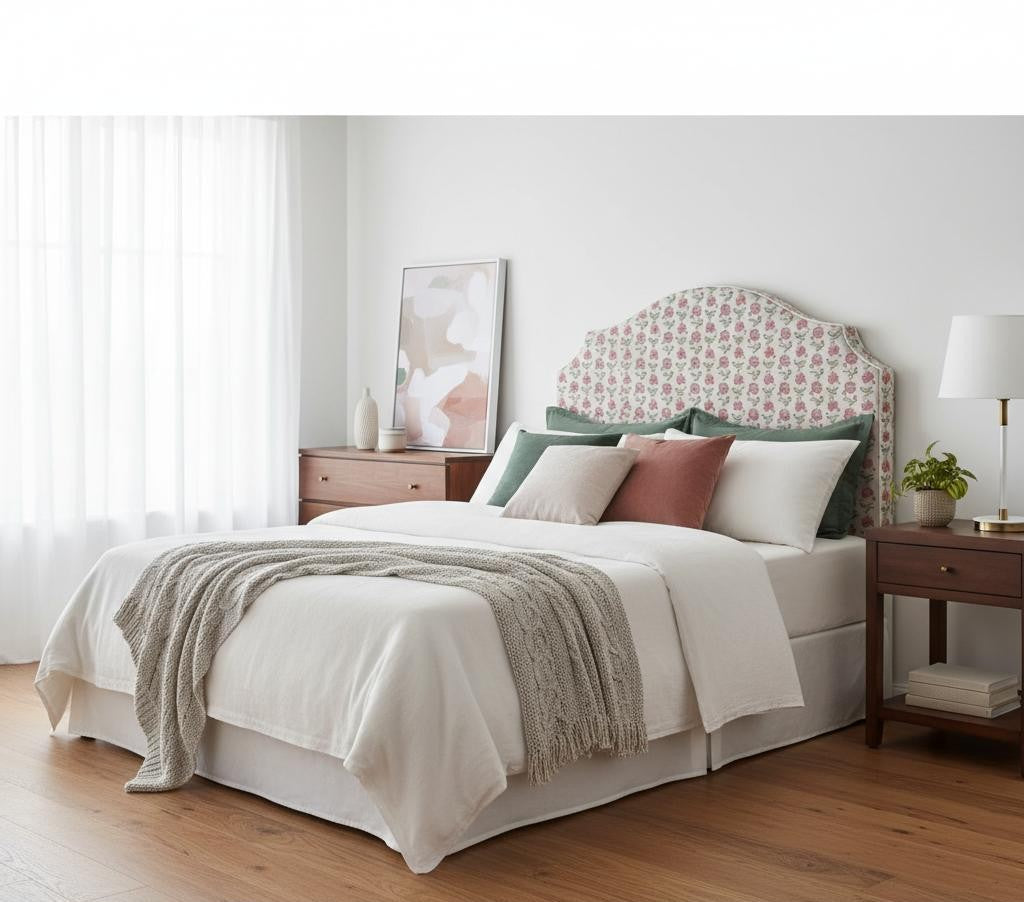
Transform Your Bedroom into a Retreat: The Power of a Beautiful Headboard
Looking to transform your bedroom without a full makeover? Discover how a bespoke fabric headboard can instantly elevate your space. Handcrafted in South Africa, our headboards bring comfort, style and personality to your sanctuary.
Learn more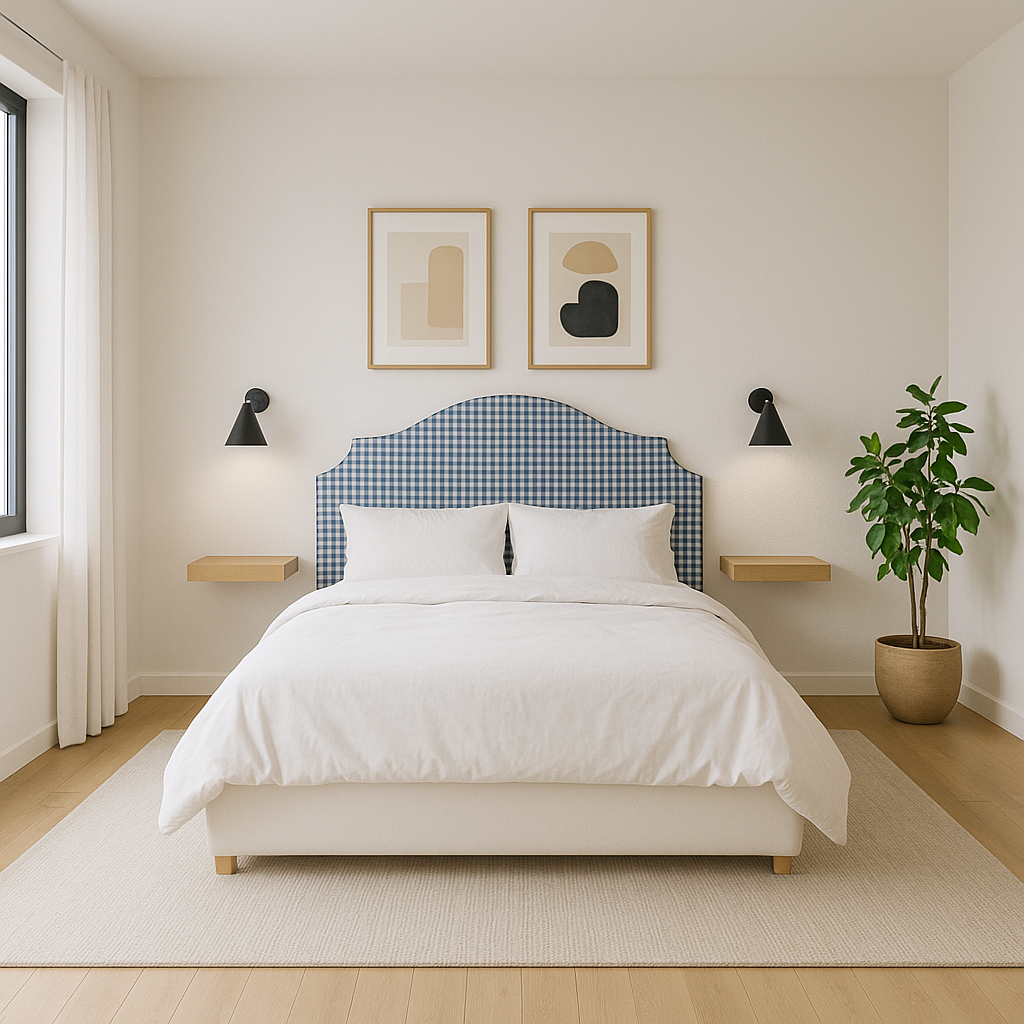
The Secret to a Bedroom That Lasts: Why Quality Headboards Matter
Your bedroom deserves more than just décor. A quality headboard is built to last — crafted with solid timber frames, layered padding, and fabrics that never date.
Learn more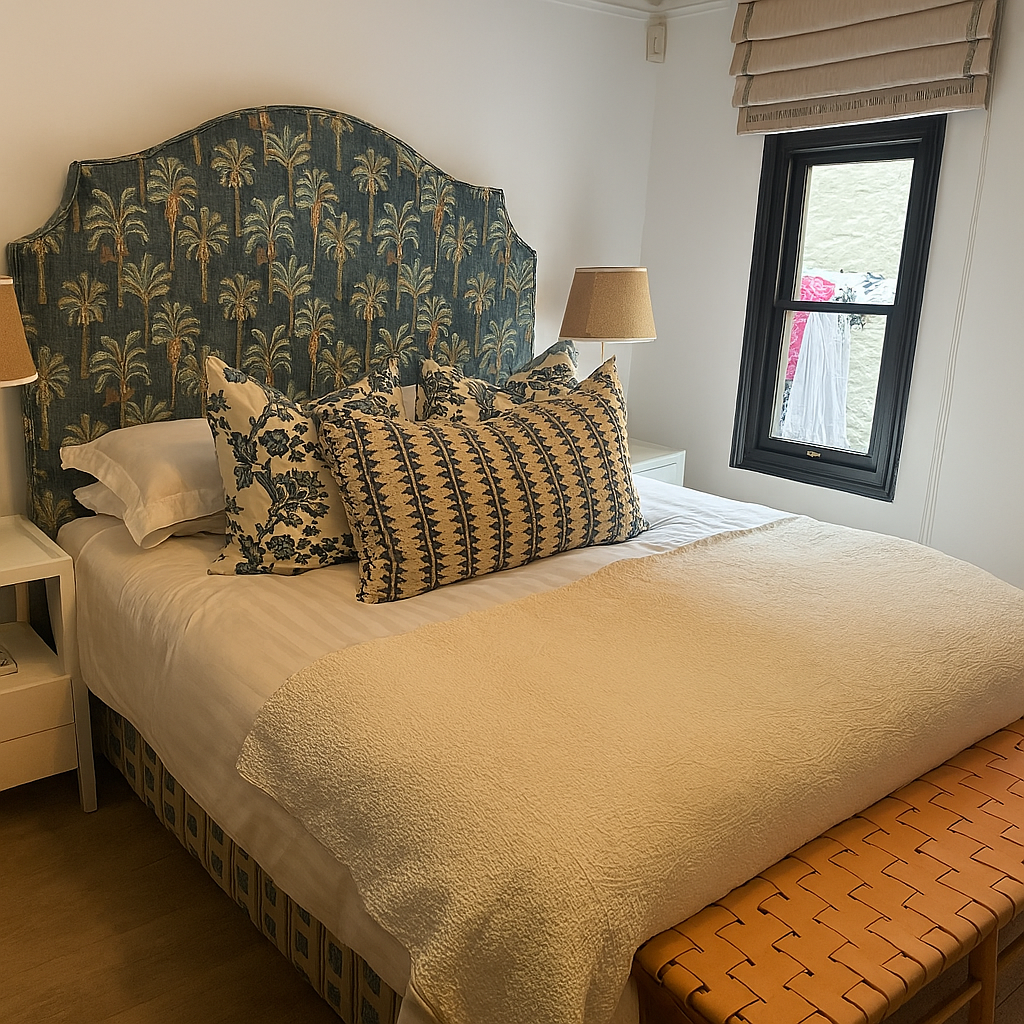
Why a Custom Headboard is the Finishing Touch Your Bedroom Needs
Discover why a custom-made headboard is the ultimate way to elevate your bedroom. From fabric choice to perfect fit, explore how bespoke headboards add comfort, style, and lasting value to your space.
Learn more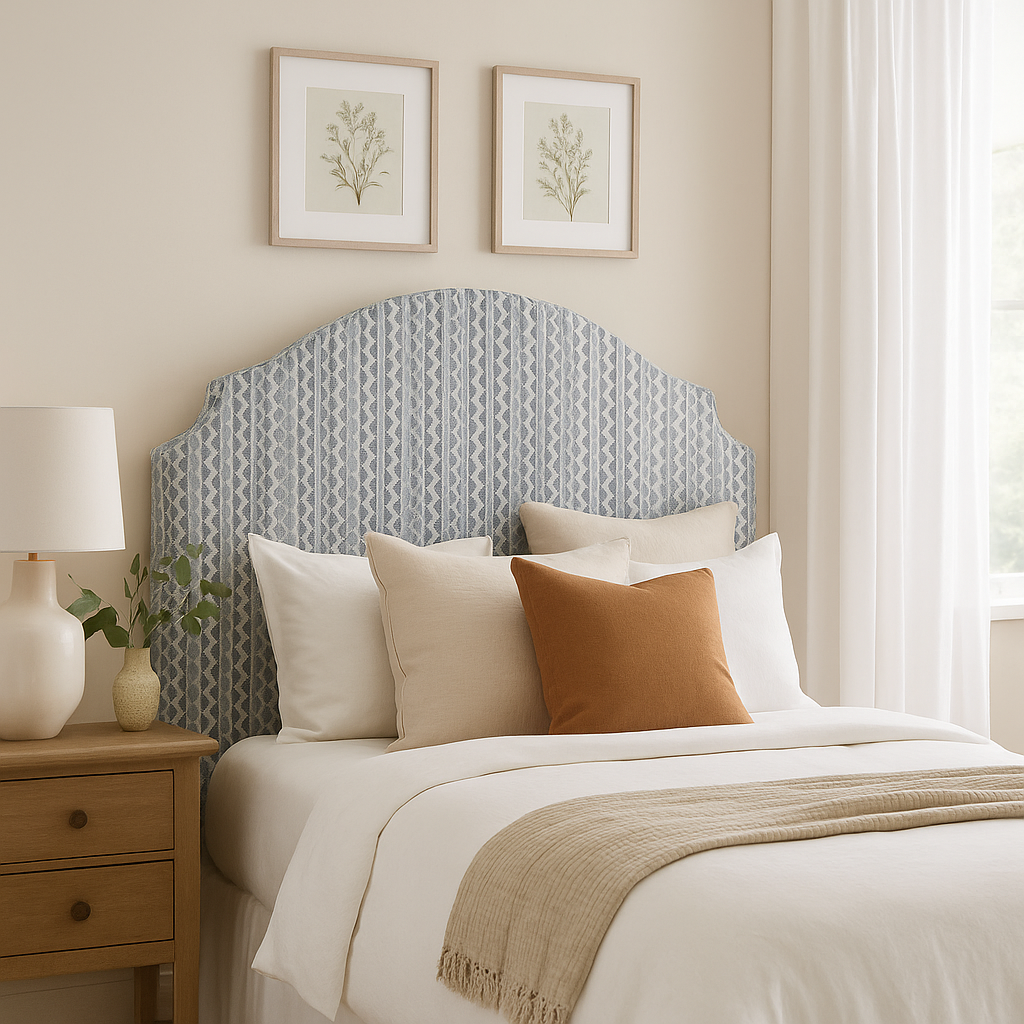
From Fabric to Frame: How to Choose the Right Headboard for Your Bedroom
Discover how to choose the perfect headboard for your space – from fabric and style to size and personal taste. Tips from the team at Fabric & Frame.
Learn more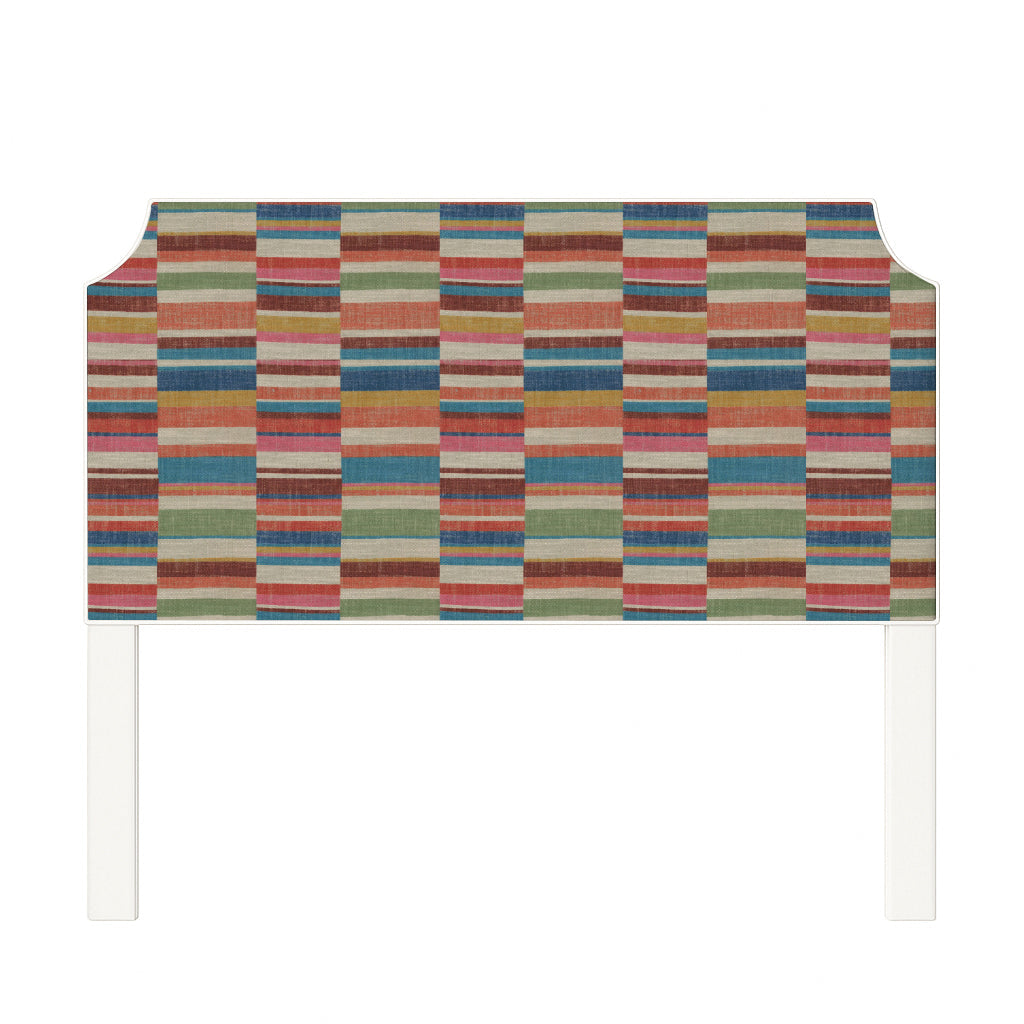
How to Choose the Perfect Upholstered Headboard Style for Your Bedroom
Explore six upholstered headboard styles handcrafted in South Africa. Choose from curves, pleats, and panels — all customisable in luxury fabrics.
Learn more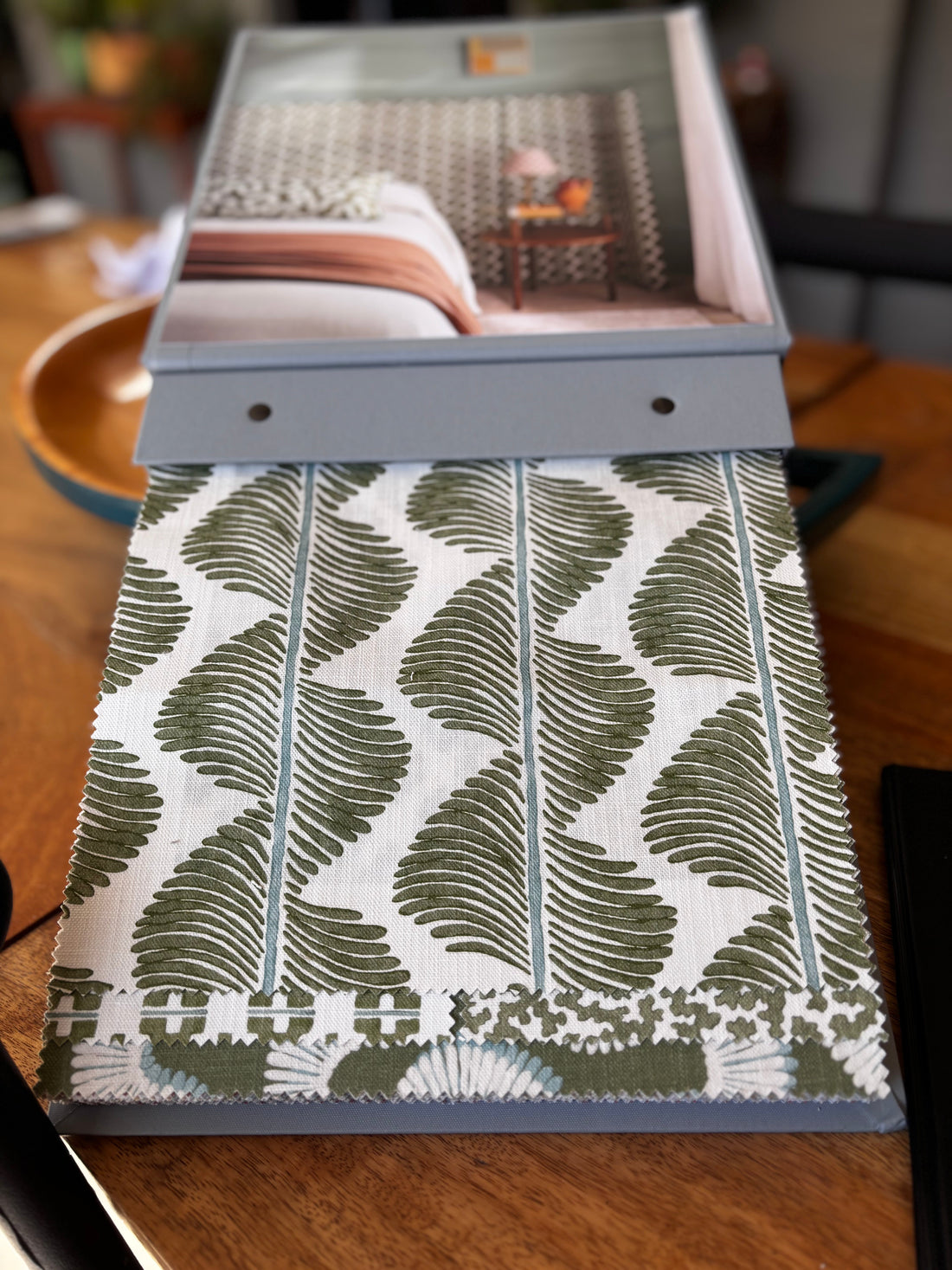
Behind the Scenes — How Your Headboard Is Made
There’s something special about owning something made just for you — no shortcuts, no mass production, just quality and care in every stitch. That’s exactly how we approach every headboard at Fabric & Frame. Here’s how your bespoke piece comes to life. 1. It Starts With the Frame Our name says it all: Fabric & Frame. And the frame is where we begin. Each headboard starts with a kiln-dried timber base, custom-built to your size and style. We work with skilled local carpenters who craft each frame by hand — strong, smooth, and made to last. 2. Padding for Comfort Next comes the padding. We layer high-density foam and batting to ensure just the right amount of softness — enough to lean against comfortably, but firm enough to keep its shape for years. It’s a subtle but crucial detail that sets a quality headboard apart. 3. Fabric, Cut and Sewn by Hand Now the magic begins. Your chosen fabric — be it a soft green gingham, a floral linen, or a bold multi-stripe — is carefully measured, cut, and upholstered by hand. We work with experienced upholsterers who know fabric inside out — how it stretches, how it folds, and how to align patterns perfectly so the end result looks polished and refined. No piping (unless you request it). No staples showing. Just clean, tailored lines and precise corners. 4. Final Touches and Delivery Once upholstered, we inspect every headboard by hand. If it’s not perfect, we redo it. Then we wrap it securely and deliver it straight to your home. No flatpacks. No assembly required. Just unwrap and enjoy.
Learn more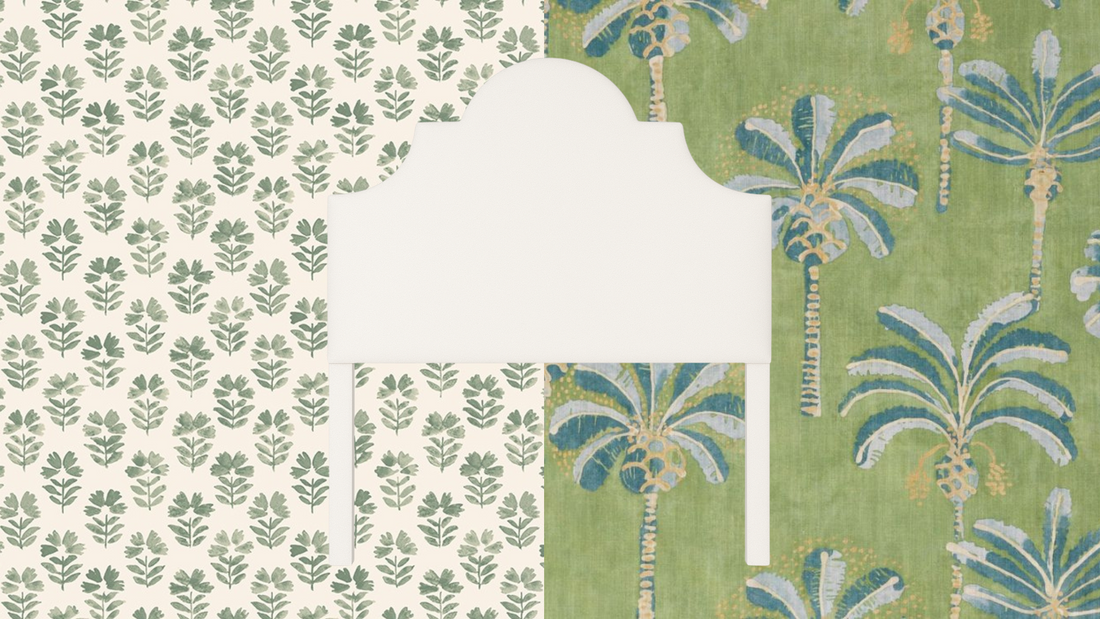
Style, Fabric, Size — How to Design Your Custom Headboard
Designing a custom headboard may sound overwhelming — but with Fabric&Frame, it’s refreshingly simple. We’ve broken the process down into three intuitive steps so you can go from “I have no idea what I want” to “I’m in love with this” in minutes. Step 1: Choose Your Style We’ve created a curated selection of six headboard styles, each with a distinct personality. From the soft, classic lines of the Charlotte to the elegant arch of the Florence, you’ll find a shape that suits your space. Each style is photographed with multiple fabric options so you can visualise how it might look in your home. Step 2: Pick Your Fabric This is where the fun begins. We work with some of the most loved names in fabric design – think florals from Whiteman & Mellor, soft linen blends from Silk & Cotton, and bold stripes from Hertex. Prefer a calming plain? We’ve got you covered. Not sure what suits your room? Browse by mood: Bold, Natural, Playful, or Classic. Step 3: Select Your Size From single beds to super kings — or custom sizes on request — we’ll make it fit perfectly. Every headboard is handmade to order, which means no waste and no compromise.
Learn more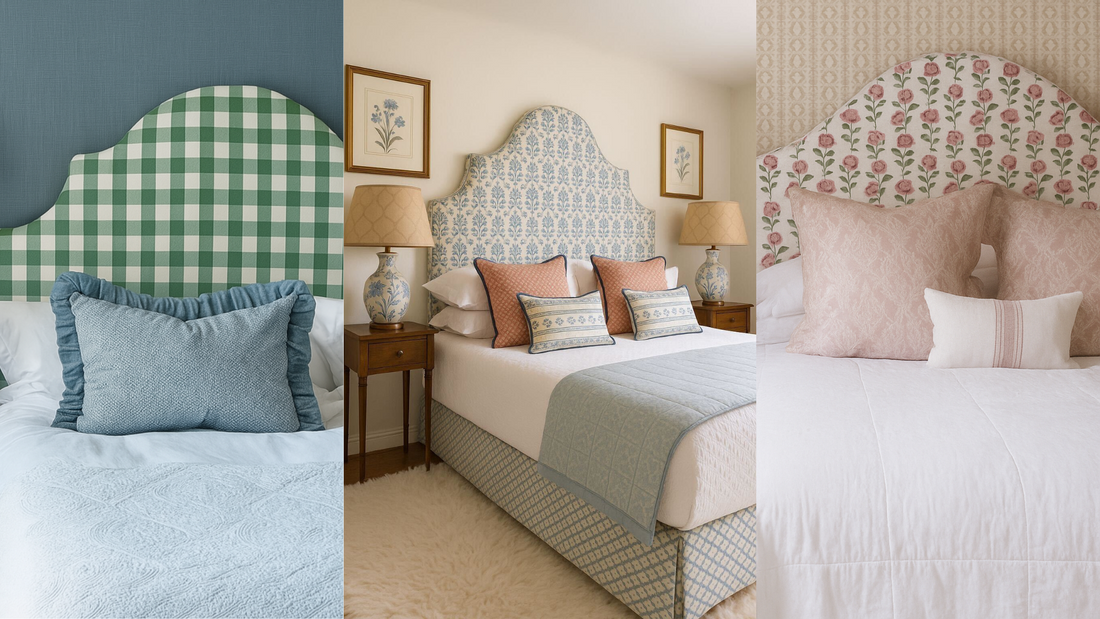
Introducing Fabric & Frame — Bespoke Fabric Headboards, Beautifully Crafted
At Fabric&Frame, we believe a bedroom should be as personal as your favourite book or favourite chair — it should tell your story. That’s why we’ve created a range of beautifully crafted headboards, upholstered in premium fabrics, made to your exact size. We’re not a mattress company. We’re not a mass-production warehouse. We’re a small, proudly South African brand focused on one thing: elevating your bedroom with timeless design and texture. What We Do We design and build custom headboards. You choose: Style – from soft curves to bold silhouettes. Fabric – 27 unique options including florals, stripes, ginghams, and plains. Size – single to king, or anything in-between. We partner with leading fabric houses like Romo, Hertex, and Silk & Cotton, and every headboard is handmade with care in Johannesburg. Why Fabric? Paint changes a room, but fabric transforms it. It adds warmth, softness, pattern, and personality in a way no paint colour ever could. Our vision is simple: to make it easy for you to bring colour and character into your bedroom. Whether it’s a botanical print in a guest room or a bold gingham in a child’s room, your headboard becomes the hero piece. Explore the range. Discover your fabric. Transform your space.
Learn more